Myths vs. Evidence: Senior Housing, Rehab, and the 25th & Western Debate
This page is intended as a neutral fact-checking page. People can oppose or support a project for many reasons, but public debate should separate evidence from rumor, fear, assumptions, and Facebook repetition.
Myth #1: “A treatment center automatically brings more crime.”
The better question is: compared to what? Johns Hopkins researchers found that violent crime near publicly funded drug treatment centers was not higher than comparable commercial businesses; in fact, violent crime was less frequent near treatment centers than near liquor stores, corner stores, and convenience stores. Source
Myth #2: “A rehab facility automatically destroys property values.”
The evidence is mixed. One Central Virginia study found lower nearby home prices, but a local San Pedro real estate discussion by John Medina did not say homes automatically lose value. His view was that the immediate issue is uncertainty, buyer psychology, days on market, and timing—not an automatic collapse in value. Study | John Medina article
Myth #3: “If people are upset now, that proves senior housing was the realistic alternative.”
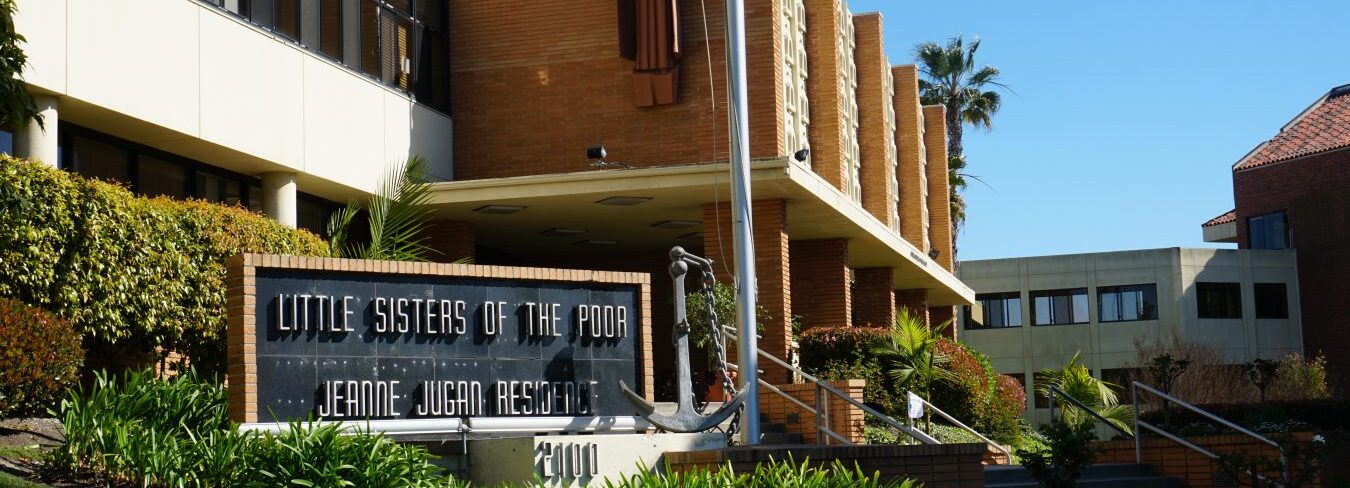
Not necessarily. The former Little Sisters of the Poor facility announced its departure years ago, and residents were offered relocation options. If restoring senior housing is proposed now, the real question is whether the financial and operational problems that led to the closure have changed. Angelus News
Myth #4: “A public meeting, rumor, or emotional story is the same as evidence.”
Emotional stories matter, but they are not the same as records, filings, studies, appraisals, permits, funding documents, crime data, or real estate comparables. Public bodies and courts usually look for documents, data, sworn testimony, expert opinions, and official records—not just repetition.
Myth #5: “One side must be completely right and the other side completely wrong.”
A more honest view is that several things can be true at once: San Pedro can need senior housing, California can need behavioral health treatment beds, nearby homeowners can reasonably worry about uncertainty, and public claims still need evidence.
Bottom Line
The strongest public arguments are not based on fear or slogans. They are based on timelines, documents, property records, funding records, operating plans, traffic/security plans, and actual neighborhood data.