Property Value 25th & Western
Little Sisters of the Poor Campus
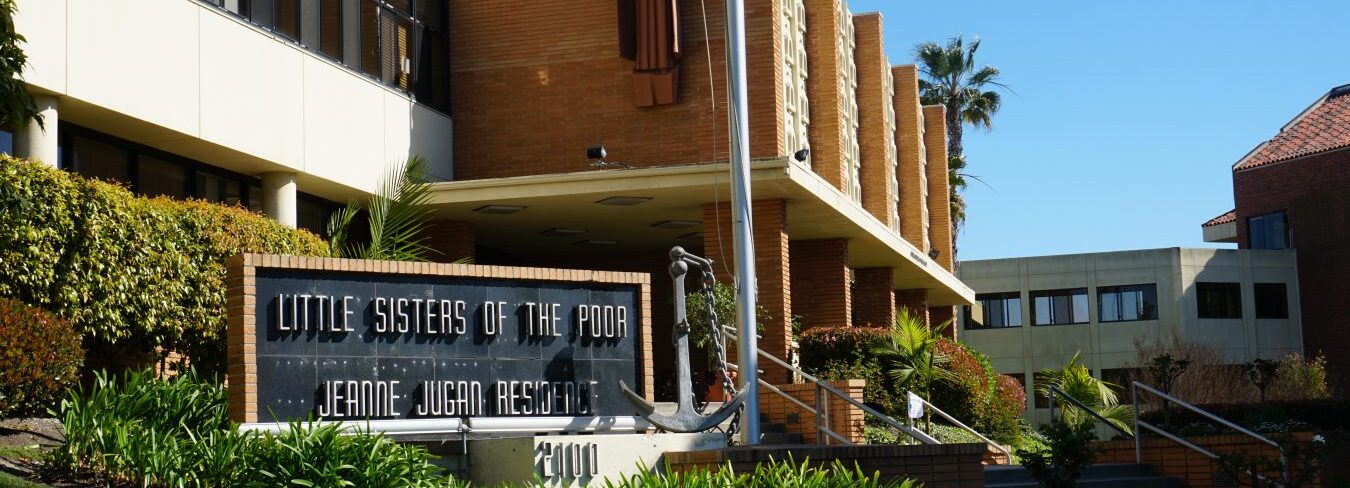
Do Treatment Centers Lower Property Values?
This is one of the biggest questions in the Fred Brown / Serenity Project discussion at 25th & Western in San Pedro. The honest answer is: not automatically. Property values are affected by many things, including interest rates, inventory, schools, views, neighborhood reputation, buyer psychology, zoning, uncertainty, and comparable sales.
A local real estate article by John Medina summarized the issue well: the near-term concern is not necessarily an automatic drop in value, but pricing uncertainty while the project moves through entitlement, possible appeals, public debate, and final design decisions. He specifically pointed to possible effects on appraisals, days on market, and buyer hesitation during the “wait and see” period. John Medina article
What the Research Says
There is not one simple answer. One study using Central Virginia MLS data found that nearby substance abuse treatment centers were associated with lower nearby home prices, including a larger effect for centers treating opiate addiction. Study summary
On the other hand, crime-related fears are often overstated. Johns Hopkins research found that violent crime around publicly funded drug treatment centers was similar to or lower than crime around other common commercial businesses such as liquor stores, corner stores, and convenience stores. Johns Hopkins / NIH article
So the fair conclusion is not “property values always fall” or “there is never any effect.” The better conclusion is: location, scale, operating model, neighborhood perception, and uncertainty matter.
What Might Matter Most in San Pedro
1. Scale: A small sober living home is different from a proposed 175–200 bed campus. Size affects traffic, staffing, visibility, and public perception.
2. Uncertainty: Real estate markets dislike unknowns. Even if the final project is well-run, the period before approval or denial can make some buyers hesitate.
3. Comparable sales: The real test will be actual nearby sales before, during, and after the entitlement process—not Facebook predictions.
4. Neighborhood fundamentals: South Shores and nearby areas still have major value drivers: coastal location, established housing stock, schools, views, and limited inventory.
5. Operating controls: Security, transportation, visitor policies, discharge policies, staffing, and community reporting can affect perception and actual impact.
What Would Count as Real Evidence?
Real evidence would include actual MLS comparable sales, days-on-market trends, appraisal comments, lender concerns, buyer feedback from licensed agents, and before/after comparisons with similar facilities. A few angry comments online are not enough.
For the former Little Sisters property itself, a separate question is whether the property was sold cheaply, appraised higher, restricted by use conditions, or valued differently once public funding and redevelopment were added. A formal appraisal is usually private and may not be available online, but grant applications, county records, planning filings, and nonprofit disclosures may provide clues.
Bottom Line
The strongest neutral answer is this: the proposed project does not automatically prove nearby homes will lose value. But it can create uncertainty, and uncertainty can affect buyer behavior, appraisal caution, and time on market until the facts are clearer.
That is very different from claiming either “nothing will happen” or “everyone’s home value is doomed.”
Steve,
In effect I believe FB [Fred Brown] was advised to have its Bryan Dorr agent seek out the LSOP [Little Sisters of the Poor] property knowing they were under water due to Covid* and a shortage of Nuns to sustain their operation. Knowing this, a fire sale was negotiated to sell at $20 million to 9 Gem Capital Group LLC. The LA County this year assessed the property at $30,890,000.
The FB is offering $45,000,000. based on their outside appraiser basing a value on the highest and best use for Coastal property.
This seems to be the baseline of how FB targeted the LSOP property.
Regardless, the large density of recovery patients concentrated in a single location surrounded by daycare and a shopping area complex apparently “by right”, FB. may be exempt from the usual environmental zoning conditions.
Perhaps not being transparent to the community for months until forced to reveal their project details certainly led to the current firestorm.
Reading their draft project agreement, the clock leads to a real time decision in October if the State does not confirm the grant as sought.
No doubt a legal strategy by the community stakeholders will follow before then.
Jerry
Sent from my Galaxy
Did you want to post in comments about the property value on this page?
Google AI
- Office Sector Decline: The most significant decline was seen in the office sector, which has lost 23.3% ($740 billion) of its aggregate value since 2019.
- Multifamily and Industrial Divergence: While office declined, multifamily property values fell roughly 6.1%. Industrial spaces (warehouses/logistics) stayed resilient or gained value, driven by the shift toward online shopping.
- Urban vs. Suburban “Donut Effect”: Property prices in high-density urban cores decreased as demand shifted toward more spacious suburbs.
- Retail and Hospitality Struggles: Hotels (down 36%) and senior housing (down 49%) experienced sharp price declines early in the pandemic. Retail saw uneven impacts, with suburban retail sometimes outperforming dense, expensive urban centers.
- Conversion Trends: The decline in office demand sparked an increase in office-to-apartment or data center conversions. [1, 2, 3, 5, 6, 7]
- Remote Work: The shift to remote work slashed office occupancy rates, hurting valuation.
- Interest Rates: Early in the pandemic, the Fed cut interest rates to nearly 0%, which impacted debt pricing.
- Economic Uncertainty: Lowered transaction volumes and increased rental delinquencies lowered investor confidence.
- Regional Differences: Areas with higher in-migration rates generally saw better stability, while regions with stricter lockdowns saw sharper drops. [2, 3, 5, 6, 8]
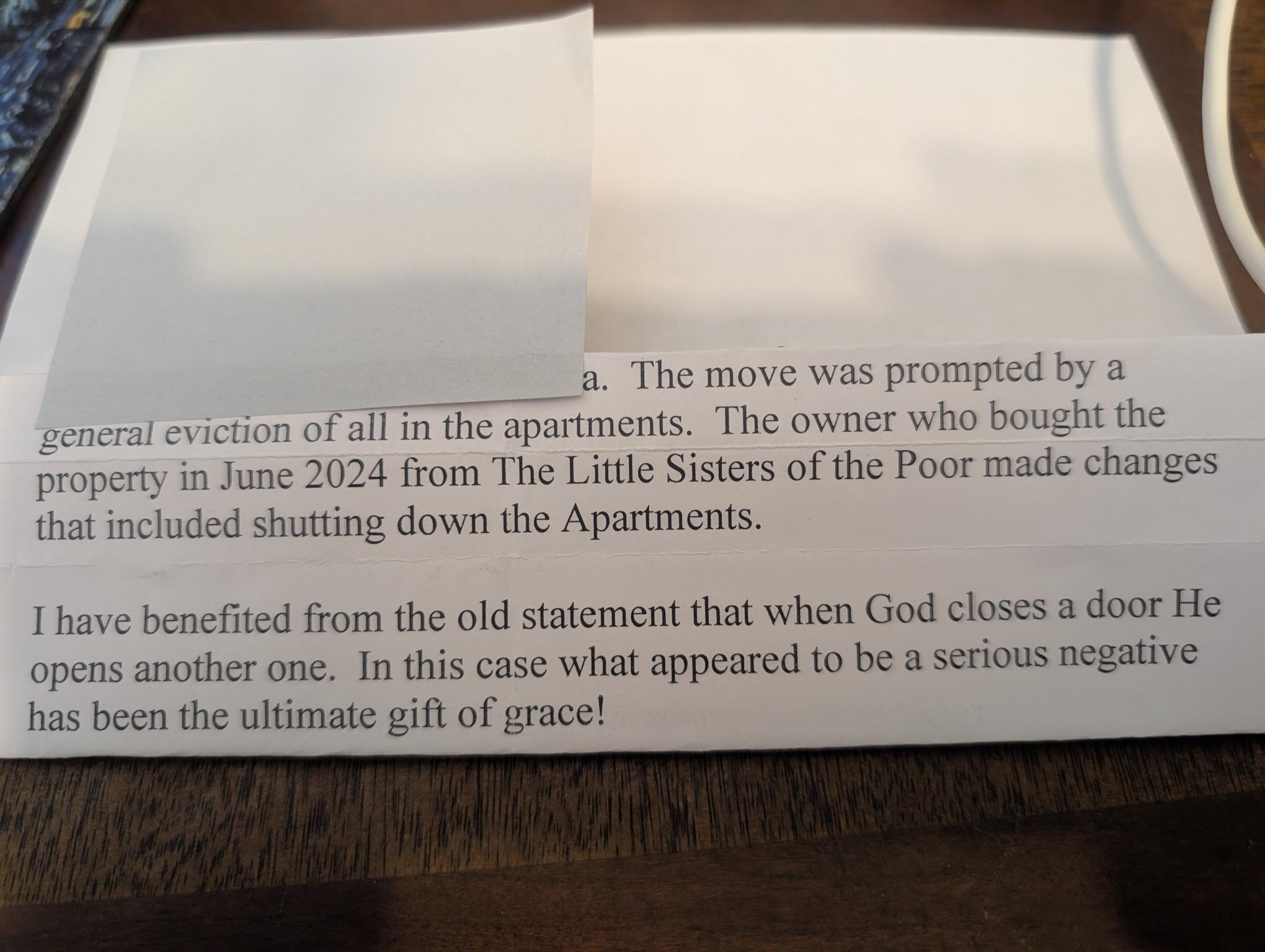
- Withdrawal of Nuns: The Little Sisters of the Poor withdrew from the site in 2024, leaving behind a 150,000-square-foot main building and a smaller retreat house.
- Property Ownership & Name: The property was previously sold to a new operator, Grace S. Mercado, and more recently, documents show that
Glen Capital Group
purchased the property in June 2024, now identifying as “Serenity Senior Village”.
- Current Status: As of April 2026, the site is at the center of a, a, a, heated controversy, with residents and local officials protesting a proposal to turn it into a large-scale drug treatment facility.
- Previous Residents: While the sisters departed, some senior residents remained under the new,, interim, management prior to the current debate, say the Daily Breeze and
LA Times
.
Re: Asset Purchase Agreement
https://www.oag.ca.gov/system/files/media/little-sisters-supp-sub.pdf
https://johnmedinabuyshouses.com/san-pedro-homeowners-the-fred-brown-serenity-project/