Housing Help for Mental Health & Sober Living
Housing Resources for Mental Health, Sober Living, and Dual Diagnosis
If you are trying to find housing for someone with a mental illness, someone in recovery from drugs or alcohol, or someone dealing with both, the hardest part is usually figuring out where to start.
This page is designed as a self-help guide. It is not a placement service, and I am not acting as a social worker or case manager. The goal is to give you direct links to official websites, county programs, and public search tools so you can start looking for help right away.
Start Here
Many people do not fit neatly into one category.
- Mental health housing: supportive housing, county mental health housing help, case management, and help staying stable in the community.
- Sober living: a structured, drug- and alcohol-free living environment focused on recovery.
- Dual diagnosis: mental illness and substance use disorder together. This is common, and many people need both types of support.
If the person is in immediate danger, having suicidal thoughts, or in a mental health crisis, call or text 988 first.
Best Online Resources to Use Right Now
Rather than relying on one phone number that may or may not be answered quickly, start with the online tools below. They give you several ways to search for housing, supportive services, treatment programs, and local referrals.
1) Los Angeles County Mental Health Housing Resources
If the main issue is mental illness, supportive housing, homelessness related to mental health, or county mental health services, start here.
LA County DMH Housing Resources
LA County Department of Mental Health Home
2) 211 LA for Housing, Food, Benefits, and Local Help
If you are not sure where to begin, 211 LA is one of the best general starting points in Los Angeles County. It connects people with housing programs, shelters, food, benefits help, and many other community resources.
3) Substance Use Treatment and Recovery Search
If the main issue is alcohol or drug recovery, use these tools to search for treatment and recovery options. This is especially useful if you are looking for treatment first and housing second, or if you need a program that understands co-occurring mental health conditions.
LA County Service & Bed Availability Tool (SBAT)
LA County Substance Abuse Prevention and Control
FindTreatment.gov
FindTreatment.gov Locator
If You Need Both Mental Health Help and Recovery Housing
That is very common. Start with the county mental health housing page, 211 LA, and the substance use treatment locator. Ask whether the program works with dual diagnosis, meaning both mental health and substance use conditions.
- Beacon House Association of San Pedro – a Harbor-area recovery program that some people may want to research.
- Fred Brown Recovery Services – San Pedro – another local recovery-related option to review.
For most visitors, the best strategy is simple: use local examples as a starting point, but rely on the county and official online search tools for the broader search.
Where to Start Looking for Housing or Recovery Support
If you need help now, start with the resource that best matches your situation.
Some programs focus on sober living and addiction recovery.
Others focus on mental health supportive housing.
Many people need help with both.
- Mental health crisis or urgent emotional distress: Call or text 988 for immediate crisis support.
- Los Angeles County mental health housing and services: Use the LA County Department of Mental Health housing and access resources for referrals, supportive housing information, and related programs.
- Substance use treatment, sober living, or residential recovery help: Contact the LA County Substance Abuse Service Helpline (SASH) at 1-844-804-7500 or use the county’s Service & Bed Availability Tool.
- General local help with housing, food, rent, and support programs: Dial 211 or search 211 LA.
- National treatment locator: Search FindTreatment.gov for treatment programs and behavioral health services.
- Broader social service search: Use FindHelp.org for local nonprofit, housing, food, and community resources.
Many visitors will not know whether they need sober living,
supportive housing, or a dual-diagnosis program.
That is normal. Start with the county or official locator first, and ask whether the program accepts people with both mental health and substance use conditions.
How to Choose the Right Type of Housing
Not all housing programs are the same. Choosing the wrong type can waste time, money, and delay getting real help. Use the guide below to narrow down the right direction.
1) Do you need sobriety first?
Many sober living homes require that you are already sober or coming directly from a treatment program. They provide structure, accountability, and a drug- and alcohol-free environment, but usually do not provide medical or psychiatric care.
If the person is still actively using substances, start with a treatment program using:
LA County Service & Bed Availability Tool or
FindTreatment.gov
2) Do you need mental health support to stay stable?
If the person has conditions like schizophrenia, bipolar disorder, severe depression, or repeated hospitalizations, supportive housing with case management and mental health services is usually the better fit.
Start here:
LA County Mental Health Housing
3) Do you need both mental health and recovery support?
This is called dual diagnosis, and it is very common. Many people need help with both mental health and substance use at the same time.
Look for programs that specifically mention:
- Dual diagnosis treatment
- Co-occurring disorders
- Integrated behavioral health services
4) How will this be paid for?
This is often the deciding factor.
- Medi-Cal / low income: Start with 211 LA and LA County Mental Health
- Private pay / family support: You may have access to more sober living and private programs
- Mixed: Some programs combine public benefits and private payments
Simple Rule of Thumb
If the main issue is addiction → start with treatment
If the main issue is mental illness → start with county mental health housing
If it is both → use both systems together
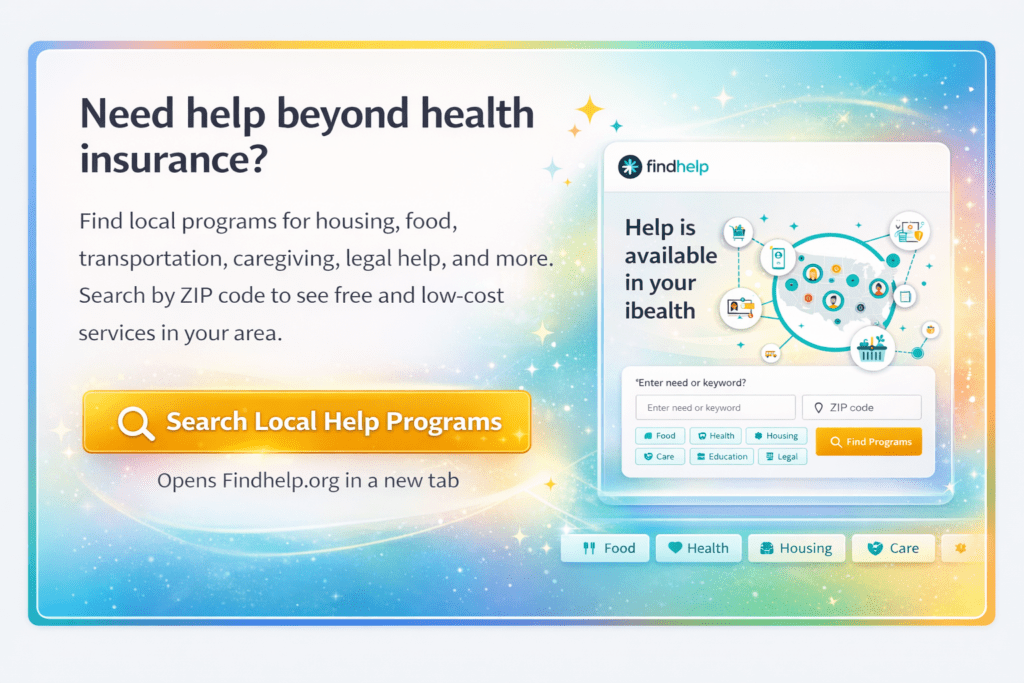
- Find free or reduced cost services like medical care, food, job training, and more.
- #Find Help.org
- Dial 2-1-1 from a cell phone or landline to get connected to local resources, it will ask for zip code and give a list of options.
- Dial 988 for Mental Health Emergencies
Frequently Asked Questions
What is the difference between sober living and mental health housing?
Sober living homes focus on maintaining sobriety in a structured, drug-free environment. Mental health housing (often called supportive housing) includes services like case management, therapy access, and help with daily living. Many people need both.
Does Medi-Cal pay for sober living?
Medi-Cal typically pays for treatment services, but not always the housing portion of sober living. Some programs combine treatment and housing, or offer assistance through county programs. Start with 211 LA or the LA County mental health system to find options.
Can someone with mental illness go into sober living?
Sometimes, but it depends on the program. Many sober living homes are not equipped for serious mental health conditions. In those cases, supportive housing or dual-diagnosis programs are usually a better fit.
What is dual diagnosis housing?
Dual diagnosis means a person has both a mental health condition and a substance use disorder. Housing or treatment programs that address both are often called “dual diagnosis” or “co-occurring disorder” programs.
How do I find housing immediately?
Start with:
211 LA
LA County Mental Health
LA County SBAT tool
What if no one answers the phone?
That happens more often than it should. Use the online search tools on this page instead of waiting for callbacks. Try multiple programs at once rather than relying on a single contact.
Do these programs have waiting lists?
Yes. Many supportive housing and low-cost programs have waiting lists. That is why it is important to contact multiple programs and use both county systems and private options at the same time.
What should I ask when I call or apply?
Ask:
- Do you accept dual diagnosis?
- What are the sobriety requirements?
- Do you accept Medi-Cal?
- Is there a waiting list?
- What level of supervision or services are provided?
-
Brother – Sister – Sibling Side Pages Subpages

- Email us [email protected]

What is Independent Living?
- PasadenaVilla.com How young adults with mental problems can transition to Independent Living
- In order for an individual to be able to live on his own successfully, he will need to be able to take care of his personal needs – dressing, eating, hygiene – as well as manage simple household chores such as the laundry and grocery shopping. Decisions must also be made when dealing with financial matters such as paying bills and managing a bank account, tasks which a young adult with a mental disability may not have experience of but which are all necessary if he wants to live independently.
- NAMI on securing stable housing
California #Tenants Rights
- Los Angeles Mayor Karen Bass April 2023 NEW Protections for Renters
- 2025 Can't ask for Credit Reports 2b 267
- LA Times - What to know about new Tenant's protection Laws
- The County EAPE Program helps CalWORKs Welfare-to-Work (WtW) families who are behind in rent and/or utility bills due to a financial crisis which could lead to an eviction and homelessness. Effective October 1, 2020, the EAPE Program provides eligible families with a once-in-a-lifetime* maximum of up to $5,000 to pay for multiple months of their past due rent and/or utilities to help them keep their housing. EAPE also pays for utility reconnection fees, if the family’s’ utilities have been disconnected when the EAPE application is submitted. dpss.lacounty.gov
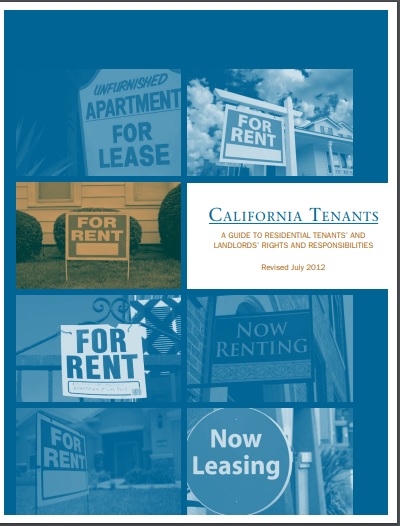
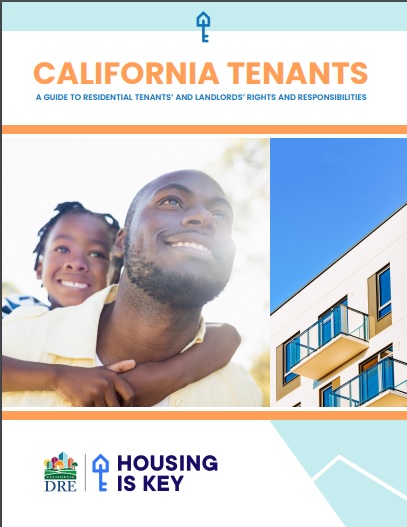
California Tenants & Landlords Rights & Responsibilities pdf
See our webpage on Small Claims Court & Mediation
CA Department of Real Estate Publications
- Quick Guide for Landlords Hiring a Property Manager Landlord Brochure 14-264
- Quick Guide for Tenants Renting a Home Tenant Brochure 14-264
- A Homeowner's Guide to Foreclosure in California #RE 15 (New 7/10) Useful information for homeowners in financial distress who live in their homes.
- Financial Sense to White Picket Fence #RE 18 This brochure provides helpful hints and tips relating to real estate financial literacy.
- Eviction Process - Video
- dre.ca.gov/Complete List Publications