Purple Heart with Oak Leaf Cluster |
Parachutist Badge |
Combat Infantryman Badge
Lt. Paul S. Shorr served as a United States Army officer during the Korean War era, beginning with ROTC leadership at UCLA, followed by active duty combat service in Korea, later stateside duty at Fort Bliss, and overseas service in Germany. His military record reflects leadership, courage under fire, and continued responsibility in both combat and command assignments.
Source
Military Service Timeline
1950 – UCLA ROTC and Fort Lewis
While attending UCLA, Paul S. Shorr trained through the Reserve Officers’ Training Corps and attended summer military training at Fort Lewis, Washington. His early record reflects officer development and leadership responsibility that would carry forward into active Army service. Source
Early 1950s – Commissioned Infantry Officer
After UCLA, he entered the military as a commissioned lieutenant in the United States Army. His service record reflects growing responsibility, professional development, and preparation for wartime leadership.
Source
Korean War – 38th Infantry Regiment, 2d Infantry Division
Lt. Shorr served with the 38th Infantry Regiment, 2d Infantry Division, during the Korean War. He held multiple leadership roles, including infantry platoon leader, infantry company commander, battalion adjutant, and regimental assistant operations officer.
Source
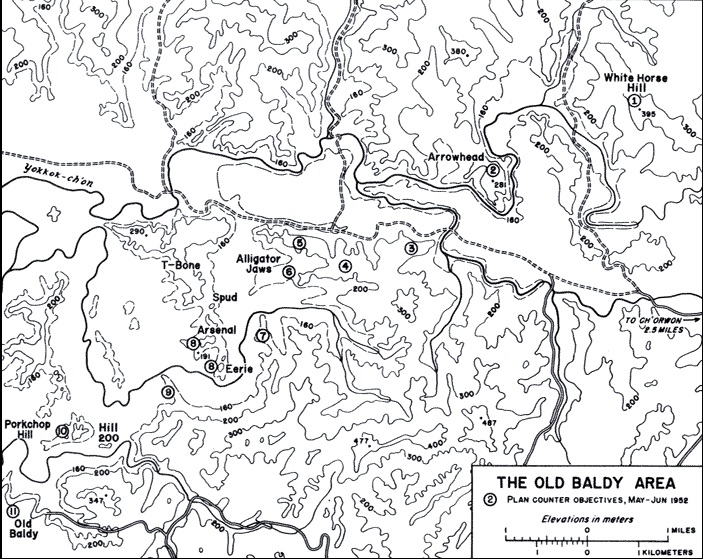
Old Baldy and Pork Chop Hill
His combat service included action at Old Baldy and Pork Chop Hill, two of the best-known and hardest-fought engagements of the Korean War.
Source
Combat Decorations
His decorations included the Bronze Star for valor with oak leaf cluster, the Purple Heart with oak leaf cluster, the Parachutist Badge, the Combat Infantryman Badge, the Republic of Korea Unit Citation, and the Netherlands Government personal citation award.
Source
1953 – Fort Bliss, Texas
After returning from Korea in 1953, Lt. Shorr was stationed at Fort Bliss, Texas, where he continued his Army service during the post-war period.
Source
1953-1956 – Germany, 5th Infantry Division
He was later transferred to the 5th Infantry Division as a company commander in Germany, serving there until returning to the United States in 1956.
Source
- Biography
- Lt. Paul S. Shorr served as an officer in the United States Army during the Korean War, leading troops in one of the most demanding periods in modern military history. His Army career reflects a progression from early leadership development through front-line combat command in Korea and later service in the United States and Europe. Source
- Early Leadership and ROTC Training
- While attending the University of California, Los Angeles, Paul participated in the Reserve Officers’ Training Corps, where he trained as an infantry officer. His early military record ties that training to Fort Lewis and shows the foundation of the discipline, initiative, and command ability that shaped his later service. Source
- The Congressional tribute on your existing page notes that he majored in economics at UCLA, minored in military service and tactics, and then received his commission as a lieutenant in the U.S. Army. Source
- Korean War Combat Service
- During the Korean War, Lt. Shorr served with the 38th Infantry Regiment, 2d Infantry Division, where he held several positions of responsibility, including infantry platoon leader, infantry company commander, battalion adjutant, and regimental assistant operations officer.
Source - He saw action in the fighting at Old Baldy and Pork Chop Hill. These battles placed extraordinary demands on junior officers and the soldiers they led.
Source
- During the Korean War, Lt. Shorr served with the 38th Infantry Regiment, 2d Infantry Division, where he held several positions of responsibility, including infantry platoon leader, infantry company commander, battalion adjutant, and regimental assistant operations officer.
- Honors and Decorations
- Lt. Shorr’s service was recognized with major military honors, including the Bronze Star for valor with oak leaf cluster, the Purple Heart with oak leaf cluster, the Combat Infantryman Badge, the Parachutist Badge, the Republic of Korea Unit Citation, and the Netherlands Government personal citation award.
Source
- Lt. Shorr’s service was recognized with major military honors, including the Bronze Star for valor with oak leaf cluster, the Purple Heart with oak leaf cluster, the Combat Infantryman Badge, the Parachutist Badge, the Republic of Korea Unit Citation, and the Netherlands Government personal citation award.
- Service After Korea
- After returning to the United States in 1953, Lt. Shorr was stationed at Fort Bliss, Texas. He later served as a company commander with the 5th Infantry Division in Germany before returning to the United States in 1956.
Source
- After returning to the United States in 1953, Lt. Shorr was stationed at Fort Bliss, Texas. He later served as a company commander with the 5th Infantry Division in Germany before returning to the United States in 1956.
- Congressional Recognition and Civilian Life
- His contributions were later recognized in the Congressional Record by Congressman Glenn M. Anderson, who highlighted both his Army service and his later community leadership.
Source
- His contributions were later recognized in the Congressional Record by Congressman Glenn M. Anderson, who highlighted both his Army service and his later community leadership.
- Legacy
- Lt. Paul S. Shorr’s Army career stands as a lasting record of service, courage, and responsibility. From ROTC leadership and officer training, to combat service in Korea, to later command assignments in the United States and Germany, his life reflects a deep commitment to duty and to the people he served beside.
- His military record remains an important part of his family history and a meaningful example of leadership, discipline, and dedication to others.
- [1]: https://individuals.healthreformquotes.com/contact/15-reasons/biography/lt-paul-s-shorr/ “Lt Paul Shorr Battle of Old Baldy – Pork Chop Hill map korean war”
Lt. Paul Shorr
Steve’s father
Battle of Old Baldy Pork Chop Hill
Introduction
Lt. Paul Shorr, Steve’s father
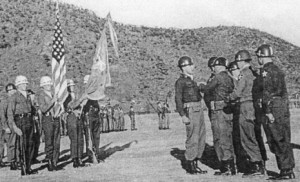
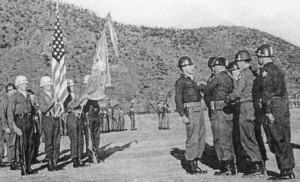
Steve’s Father, Lt. Paul Shorr, served in the US Army during the Korean War . His bravery under hostile fire earned him the Purple Heart twice – 5 October 1952 * 1952/09/19 * AR 600 45 Decorations for Individuals * Oak Leaf Cluster.
He also earned a Bronze Star – V Valor General Order 408-52 during the 4th Battle of Old Baldy (next to Pork Chop Hill) 5 October 1952 – Wikipedia – Prezi.com historynet.com and for Meritorious Service General Order 236-53 * Citation * Recommendation Page 1 * Page 2 * awarded June 1953.
Old Baldy is just a mile away from Pork Chop Hill (Movie Wikipedia). The movie depicts the first fierce Battle of Pork Chop Hill between the U.S. Army’s 7th Infantry Division, and Chinese and North Korean forces in April 1953. When Steve’s Father was at Pork Chop Hill, U.S. Forces held the hill. It was later the hill was lost.
Here’s A TRIBUTE TO PAUL S. SHORR by HON. Congressman GLENN M. ANDERSON
Tuesday, February 07, 1989
Page: E325 Congressional Record — 101st Congress (1989-1990)
- Mr. ANDERSON. Mr. Speaker, I rise today to pay tribute to Paul S. Shorr, the outgoing president of the Wilmington Boys and Girls Club for 1988. Mr. Shorr will be honored at the annual Keystone fundraiser banquet on February 9, 1989, at Los Verdes Country Club in Rancho Palos Verdes. This occasion gives me the opportunity to express my appreciation for Paul’s work on behalf of the surrounding community.
- Mr. Shorr is a native New Yorker who migrated to California to complete his bachelor of arts degree at UCLA. While attending UCLA, he majored in economics and minored in military service and tactics.
- Upon graduation, Paul entered the military, and received a commission as lieutenant in the U.S. Army. Mr. Shorr went on to serve in the Korean war as an infantry platoon leader, infantry company commander, battalion adjutant, and regimental assistant operations officer with the 38th Infantry, 2d Division.
- Mr. Shorr has received numerous honors while serving his country. He has been given the parachutist badge, combat infantryman badge, bronze star for valor with oak leaf cluster, purple heart with oak leaf cluster, Republic of Korea Unit Citation, and Netherlands Government personal citation award.
- While in the Army, Paul saw action in battle for Old Baldy and Pork Chop Hill. He returned to the United States in 1953 and was stationed at Fort Bliss, TX. Afterward, he was transferred to 5th Infantry Division as company commander in Germany, until returning to the United States in 1956. After dedicating many years to a military career, he entered the private sector as an insurance broker, and became involved in land development. [Crest Motel – Blythe CA, Harbor Building]
- As a civilian, Paul has contributed to his community in many ways. He served as president of San Pedro City of Hope Chapter for 2 years. He served on the board of directors of an over the counter listed corporation for 2 years. He was also president of the homeowners association for 1 year. Presently, he is stepping down from a year as head of the Wilmington Boys and Girls Club.
- My wife, Lee, joins me in extending our congratulations to Paul S. Shorr today. Paul is a truly remarkable citizen who has dedicated his life to serving his country and the citizens of our area. We wish Mr. Shorr, his three sons, Steven, Stuart, and Tim, and his two grandsons, Brian Michael and Eric Scott, our best wishes today and in the years ahead. Citation ==>
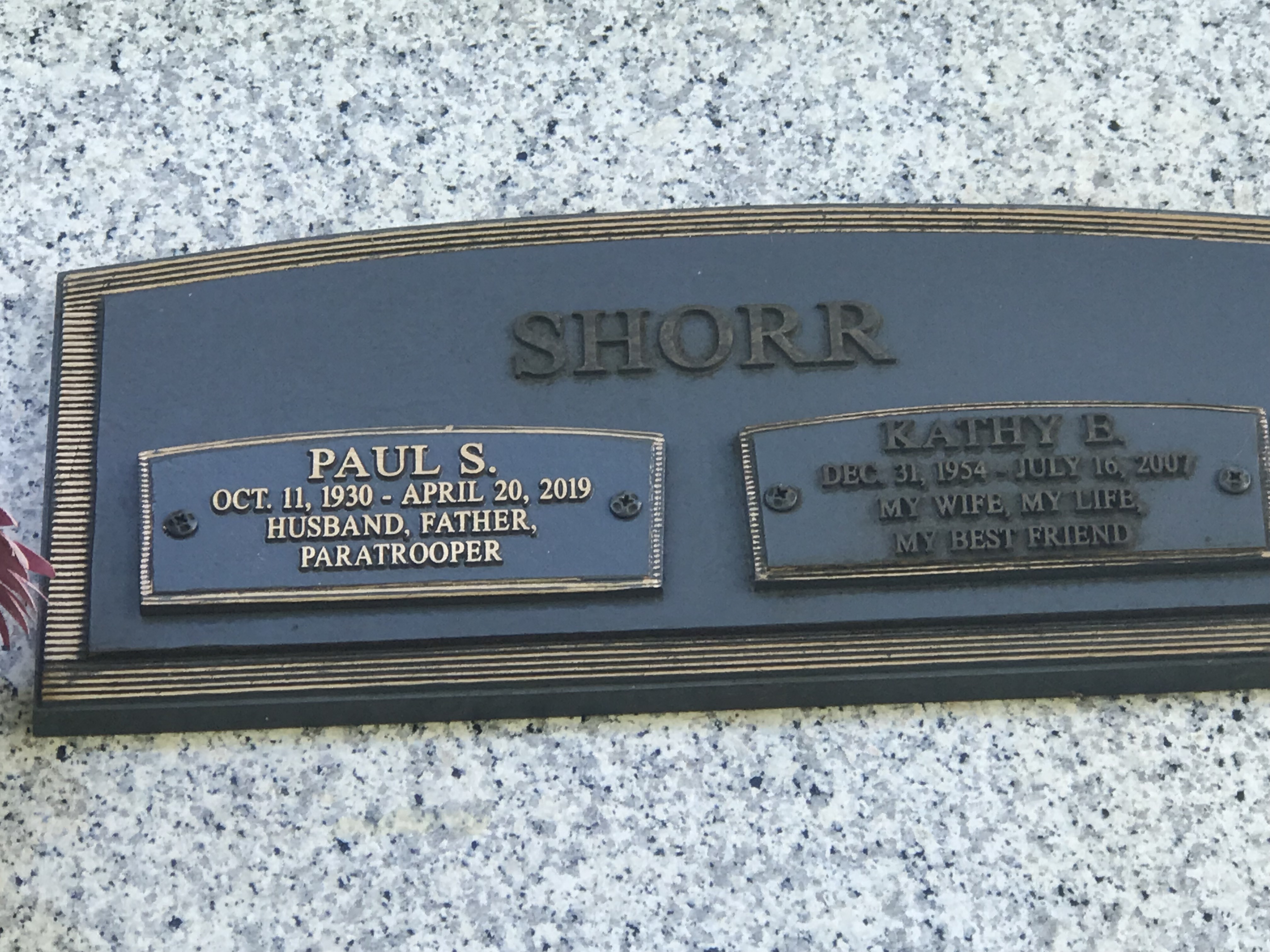
Paul passed away April 20, 2019.
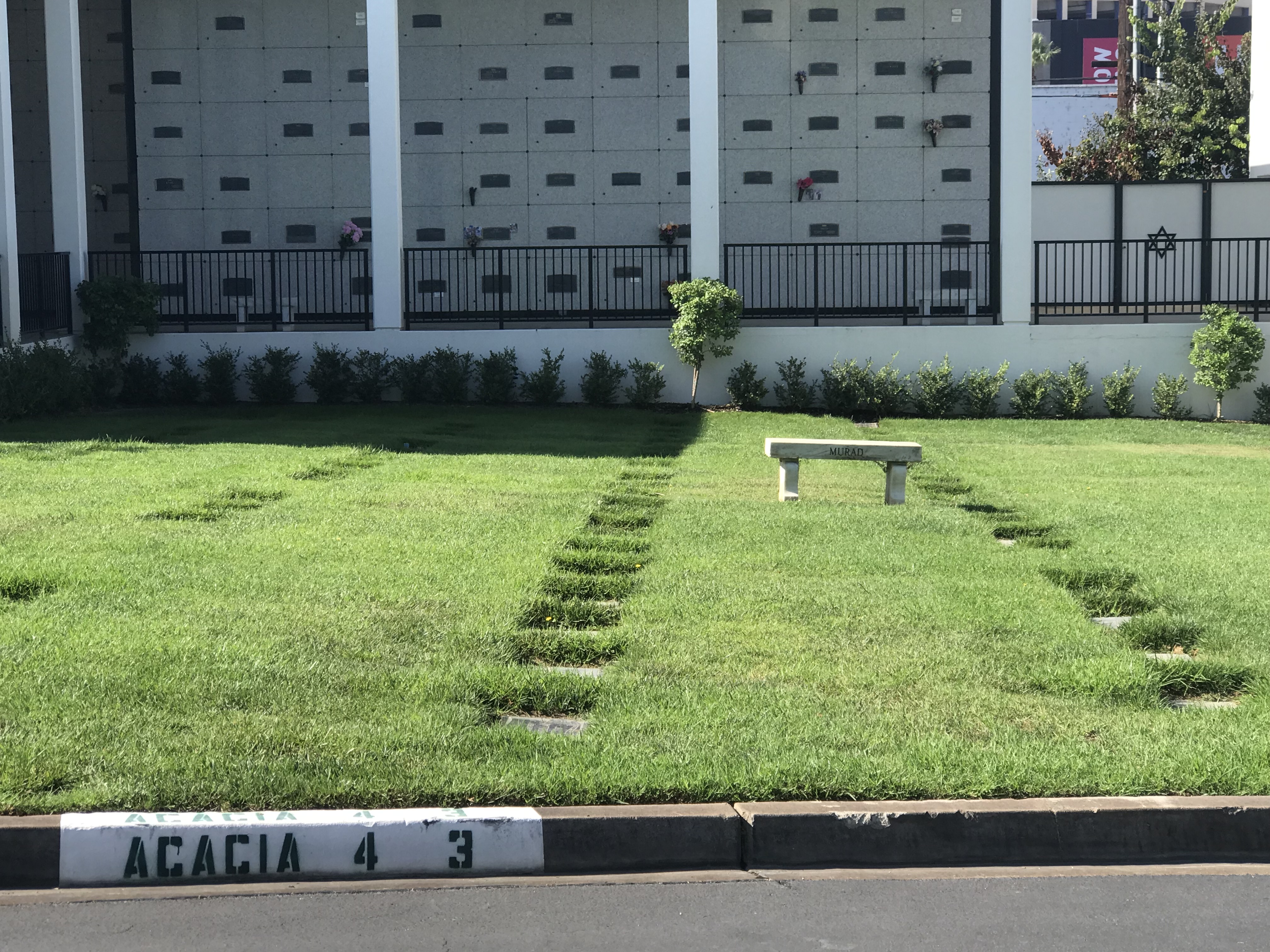
Services to be held at Hillside Memorial – Map * Facebook Video of Internment * Obituary.
Lt. Paul Shorr – Bronze Star
- V Valor General Order 408-52 Old Baldy – Pork Chop Hill
Meritorious Service 1953 General Order 236-53 * Citation * Recommendation Page 1 * Page 2 - Excerpts of Manuscript where Col Don Carmichael mentions Lt Paul Shorr
Chat GBT researched the actual Army doctrine behind those job titles, and the citation becomes much more meaningful once you translate the Army terminology.
The key sentence in your father’s citation is:
He served as Liaison Officer and then as Assistant Regimental S-3, performing the duties of each position in an outstanding fashion…and displayed keen foresight in planning tactical and training operations.
Those were two different jobs, both at the headquarters of the 38th Infantry Regiment. They were not clerical jobs. They put your father in the middle of the regiment’s command-and-control system.
What a Liaison Officer actually did
The Army’s infantry field manual described a liaison officer as an officer sent to another unit to promote “cooperation and coordination by personal contact” and stated that the liaison officer represented his commander at the headquarters to which he was sent. (All Americans)
In other words, your father was essentially the 38th Infantry Regiment commander’s personal representative to another headquarters.
The Army’s 1950 doctrine emphasized how important this was, saying experienced liaison officers were one of the best ways to ensure that information flowed among higher headquarters, subordinate units, and neighboring units. (CIE Hub)
In practical terms, Paul’s liaison job probably involved things such as:
- Going to another command post and staying abreast of what that unit was doing.
- Explaining the 38th Infantry commander’s plans, intentions, needs, and current situation.
- Bringing information back to regimental headquarters about changes in plans, troop positions and battlefield conditions.
- Making sure neighboring units’ movements and the 38th Infantry’s movements didn’t conflict.
- Coordinating activities with higher headquarters and with supporting or adjacent units.
- Getting urgent information from one headquarters to another when telephone or radio messages alone weren’t sufficient.
- Recognizing problems before they became problems and getting the appropriate commanders and staffs talking to each other.
So “liaison officer” did not mean something like a modern public-relations liaison. On a Korean War battlefield, it was an operational job. He had to understand the commander’s plan well enough to speak for him.
And there is one thing I can’t determine from this citation alone: it doesn’t say which headquarters your father was assigned to as liaison officer. It might have been division headquarters, another regiment, a supporting organization, or another allied unit. I would not put a specific unit in the biography unless we find that elsewhere in his records.
Then he became Assistant Regimental S-3
This is probably the part of the citation that explains the phrase “keen foresight in planning tactical and training operations.”
S-3 was the regiment’s Plans, Operations and Training section.
An Army field manual describing the regimental staff says very plainly that the S-3 was primarily concerned with the training and tactical operations of the regiment.
And the manual gives a remarkably detailed job description. Among the S-3 section’s responsibilities were:
- developing the regiment’s training plans;
- planning troop movements;
- determining how troops would be distributed in assembly areas and in combat;
- coordinating reconnaissance and security;
- continuously studying the tactical situation;
- preparing tactical plans;
- preparing field orders;
- preparing operational maps and overlays;
- coordinating liaison with higher, adjacent and subordinate units;
- maintaining the headquarters situation map;
- preparing tactical reports; and
- helping plan communications needed for upcoming operations.
That is almost a word-for-word explanation of what your father’s award means.
So what was Paul actually doing all day?
Put into modern civilian language, your father became an assistant operations planner for the entire infantry regiment.
He would have been helping the regimental S-3 and commander answer questions such as:
Where are our battalions right now? What is the enemy doing? What are the units on our left and right doing? What is our next mission? Which battalion should move where? Where will the reserve be? What routes will they use? What reconnaissance needs to be done first? What does supporting artillery or another unit need to know? What orders do the battalion commanders need? What does the regiment have to prepare for tomorrow or next week?
The S-3 section maintained the situation map showing the constantly changing tactical picture and produced the maps, overlays and orders needed to turn the commander’s decisions into something the battalions could actually execute.
That makes the words “keen foresight” particularly significant. They were complimenting him for being good at anticipating what the regiment would need next, rather than simply reacting after something happened.
And “training operations” didn’t mean basic training
That phrase can be misleading today.
He wasn’t teaching new recruits how to march. The S-3 staff was responsible for the combat readiness and tactical training of the regiment. Army doctrine assigned the S-3 responsibility for formulating regimental training plans, allocating training facilities and equipment, organizing regimental schools, incorporating replacements, maintaining training records, and supervising the training program.
In Korea, troops still had to train while the war was going on—particularly when units rotated away from immediate frontline positions. They had to integrate replacements, practice patrols and attacks, improve defenses, work with supporting weapons, and correct deficiencies discovered in actual combat.
So your father’s job encompassed both fighting the current battle and preparing the regiment for the next one.
What I think the award is really saying
Reading the citation together with the Army’s own job descriptions, I would translate it into ordinary English something like this:
First Lt. Paul S. Shorr was trusted to represent the 38th Infantry Regiment commander in coordinating operations with other military headquarters. He was then selected to work in the regiment’s operations and training section, where he helped plan and coordinate the movements, combat operations and training of the regiment. He was particularly good at anticipating problems and future requirements, turning the commander’s intentions into workable tactical plans, and coordinating the many units necessary to carry those plans out.
That’s a much fuller meaning than simply saying he was an “Assistant S-3.”
And there’s another point I think is worth emphasizing on your dad’s biography: this particular citation is praising his ability as a planner and staff officer, not merely his bravery in combat. The 38th Infantry’s official Army lineage confirms that the regiment was engaged in the Third Korean Winter and Korea, Summer 1953 campaigns during precisely the period covered by his citation—December 14, 1952 through June 29, 1953. (U.S. Army Center of Military History)
So he was doing this planning and coordination while the regiment was an active combat organization in Korea, not sitting at a stateside training base.
For your father’s 38th Infantry Regiment in Korea, think roughly 3,000 soldiers, give or take. The exact number would fluctuate because of casualties, replacements, men detached for other duties, and Korean soldiers assigned to U.S. units. Army histories show Korean War regiments functioning as substantial formations built around several infantry battalions. (U.S. Army Center of Military History)
A typical infantry regiment of that era was organized roughly like this:
- 3 infantry battalions, each with perhaps 700–900+ men
- Regimental headquarters and headquarters company
- Heavy mortar and other supporting elements
- Medical, communications, intelligence, operations, supply and administrative personnel
So when your father became Assistant Regimental S-3, he wasn’t helping plan training and tactical operations for 100 or 200 men. He was working at headquarters on plans affecting an organization of around 3,000 soldiers.
And his regiment was only one part of the 2nd Infantry Division, which contained several regiments plus artillery, engineers, medical, communications and other supporting units. (2ID)
That actually makes the language in his award more impressive:
“keen foresight in planning tactical and training operations”
means he was helping plan and coordinate operations potentially involving thousands of soldiers.
So for the biography, I’d be comfortable explaining his job as:
“As Assistant Regimental S-3, Lt. Shorr helped plan and coordinate tactical operations and training for an infantry regiment of roughly 3,000 soldiers.”
That gives a reader a much better sense of the scale of what he was responsible for.
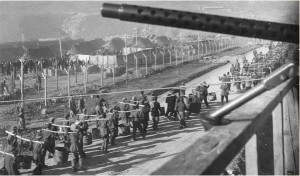
Col. Don Carmichael
His Website (Archive.org)
Friend of Lt Paul Shorr
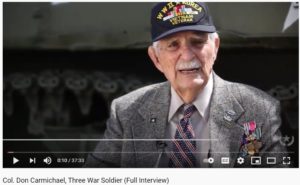
Excerpts of Manuscript where Don mentions Paul
YouTube Videos

- Big Picture: The 2nd Infantry Division in Korea
- Pork Chop Hill – Gregory Peck
- HD Stock Footage Korean War 2nd Infantry Battle for Old Baldy Reel 1
- HD Historic Stock Footage Korean War BATTLE FOR OLD BALDY
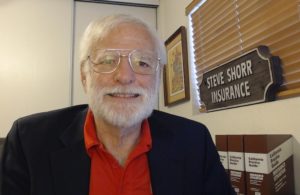
Steve Shorr
Website Video #Introduction
Links & Resources
- Facebook 2nd Infantry Division
- Archive.org Korean War.org
https://chatgpt.com/share/69e7667f-0960-8386-a839-8307b55c23a6
To scan an important part of history for Mr. Steve Shorr was interesting and relevant for me.
My mother’s brother was saved from certain death while his unit was lost in North Korea.
I pray that the world can become a better and safer place for all. That opportunities for a full and happy life can happen for all of mankind.
Jay Howard
Protect and unlock the true value contained in your files.
http://www.underbudgetandontimescanning.com/
[email protected]
310-741-0938