
Insurance Premium Rate – Premium Regulation
Department of Insurance Rate Regulation
authority to lower rates
- The CA Department of Insurance (DOI) has authority to “push” rates increase down, as premium increases must be certified to be actuarially sound, but the DOI does not have authority to establish rates. Modern Health Care 4.22.2015 DOI RIPS Anthem Rate Hikes on Grandfathered Plans
- Please note though, under Health Care reform the 80% Medical Loss Ratio (MLR) rule, where rebates must be given if are not enough claims paid out.
The #rate review process of Medical Loss Ratio
The rate review process of Medical Loss Ratio does not presume that an increase above 80% is unreasonable,
***Please note, this may be prior to ACA/Health Care Reform. Check our citations below
nor does it prevent issuers from increasing rates. The process only requires such increases be reviewed and that certain information be made public. When HHS reviews a rate increase, HHS will determine that the rate increase is unreasonable if the increase is:
- Excessive – meaning the increase causes the premium charged for the health insurance coverage to be unreasonably high in relation to the benefits provided.
- Unjustified – meaning the data or documentation the issuer provides to HHS in connection with the increase is incomplete, inadequate or otherwise does not provide a basis upon which the reasonableness of an increase may be determined.
- Unfairly discriminatory – meaning the increase results in premium differences between insured’s within similar risk categories that (1) are not permissible under applicable state law or (2) in the absence of an applicable state law, do not reasonably correspond to differences in expected costs.
The examination must include an analysis of all of the following:
- The impact of medical trend changes by major service categories
- The impact of utilization changes by major service categories
- The impact of cost-sharing changes by major service categories
- The impact of benefit changes
- The impact of changes in enrollee risk profile
- The impact of any overestimate or underestimate of medical trend for prior year periods related to the rate increase
- The impact of changes in reserve needs
- The impact of changes in administrative costs related to programs that improve health care quality
- The impact of changes in other administrative costs
- The impact of changes in applicable taxes, licensing or regulatory fees;
- Medical loss ratio
- The issuer’s risk-based capital status relative to national standards (Blue Cross Memo on Rate Review) 6/2011 Update 154.205 Federal Regulation
- Health Care.Gov Tool to find out about Rate Increases or Loss Ratio for each Insurance Company
- dmhc.ca.gov/rate review/
- Anthem Small Group Rate Review anthem.com
- CA Dept of Insurance
- Misc…
- Should drinkers pay more for health insurance? Surgeon general warning stirs debate USA Today January 2025
Medical Loss Ratio 80% Claims – 20% Operating Costs & Profit
So, why trade $$$ back and forth if you can afford not to?
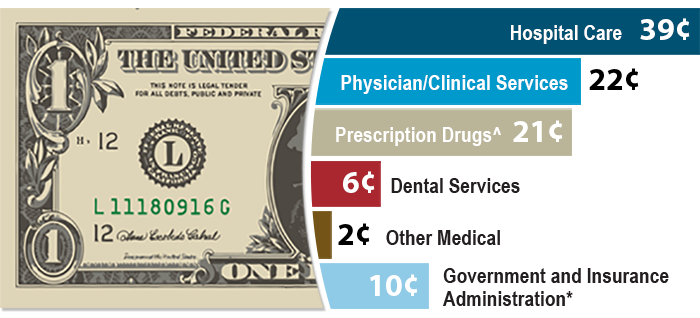
Image from BCBS.com
Steve’s Explanation of MLR Medical Loss Ratio
More Video’s
- Kaiser Health News – Medical Loss Ratio video
- White House – YouTube Channel on Health Care Reform
- Tom Petersen Insurance 101 History of Lloyds to present EXCELLENT!!!
- Our Webpage on MLR & Actuarial Value
Consumer Resources
- View CA DOI Health Insurance Rate Increase requests
- Anthem Blue Cross Bulletin on Rate Review
- Rating Rules – Health Care Reform
- Do you want to put in your 2c and make Comments?
Technical Links & Resources
- CA DOI Guidance Unreasonable Rate Increases
- CA Department of Insurance Bulletins
