Medicare Coverage of Durable Medical Equipment & Other Devices
Specialty Medicare Coverage..
DME Durable Medical Equipment, Chiropractic, Hearing Aids, Physical Therapy, Ambulance,
#Durable1 medical equipment (DME)
Medicare Coverage of Durable Medical Equipment Publication 11045
- Medicare covers items like oxygen equipment and supplies, wheelchairs, walkers, and hospital beds ordered by a doctor or other health care provider enrolled in Medicare for use in the home. Some items must be rented. You pay 20% of the Medicare-approved amount, and the Part B deductible applies. If you have a Medi Gap plan, that should pay the 20%! Medicare Advantage, check the summary of benefits or EOC Evidence of Coverage.
- Make sure your doctors and DME suppliers are enrolled in Medicare. Doctors and suppliers have to meet strict standards to enroll and stay enrolled in Medicare. If your doctors or suppliers aren’t enrolled, Medicare won’t pay the claims they submit. It’s also important to ask your suppliers if they participate in Medicare before you get DME. If suppliers are participating suppliers, they must accept assignment (that is, they’re limited to charging you only coinsurance and the Part B deductible for the Medicare-approved amount). If suppliers aren’t participating and don’t accept assignment, there’s no limit on the amount they can charge you.
- Prosthetic Limbs – Medical Necessity? Kff.org *
- Why Insurance Companies are denying coverage for Prosthetic Limbs Kff.org *
- To find suppliers who accept assignment, visit Medicare.gov/supplier directory or call 1-800-MEDICARE (1-800-633-4227). TTY users can call 1-877-486-2048. You can also call 1-800-MEDICARE if you’re having problems with your DME supplier, or you need to file a complaint. Copied from Medicare & You – see link in side panel
What about Stair Lifts?
- acorn stair lifts.com
- Medical Necessity of Stair Lifts & Lifting devices Clinical Bulletin?
- Durable Medical Equipment
- Seat Life Mechanisms
- Pride Mobility.com Steps to get Medicare to pay
- hhs.gov research 1989
Guide Dog or Other Service Animal
You can include in medical expenses [but apparently not as durable medical expense] the costs of buying, training, and maintaining a guide dog or other service animal to assist a visually impaired or hearing disabled person, or a person with other physical disabilities. In general, this includes any costs, such as food, grooming, and veterinary care, incurred in maintaining the health and vitality of the service animal so that it may perform its duties. irs.gov/
- Maybe you can get a grant?
Resources & Links
- Justice in Aging DME for CA Advocates Fact Sheet
- An Advocate’s Guide to Medi-Cal Services January 2020 Chapter X: Durable Medical Equipment, Orthotics and Prosthetics, and Other Non-Pharmaceutical Items Health Law.org *
- CMS discontinues medical device forms to ease physician administrative burdens Fierce Health Care * Rev Cycle Intelligence *
- Biden repeals Trump rule that expedited coverage for “breakthrough technology” Modern Health Care * 9.13.2021 prior article * Federal Register 42 CFR Part 405 [CMS-3372-P2] RIN 0938-AT88 *
- Wheelchair users can face hefty costs not covered by insurance, under age 65… LA Times 11.15.2021 *
- Coverage for catheters?
- wikipedia.org/Certificate_of_medical_necessity
- Adult Diapers?
- Use expense to lower countable income for Medi Cal our website
- Continuous Positive Airway Pressure (CPAP) therapy Medicare.gov
Related Child & Sibling Pages
- “Medicare and Kidney Failure (ESRD): Dialysis, Medicare Advantage & Coverage Options”
- Chiropractic Coverage
- Diabetes – Prevention & Coverage under Medicare & ACA
- Durable Medical Equipment
- Hearing Aids Insurance Coverage
- Physical Therapy under Medicare
- Preventative Care – Medicare

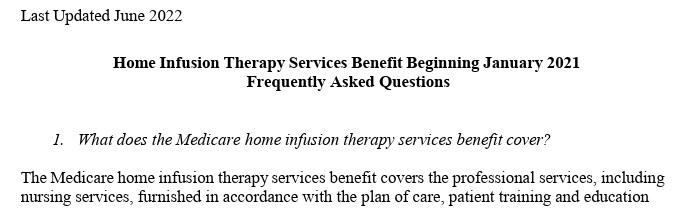
Home Infusion
- Home infusion under DME Medicare.gov *
- Medicare Home Infusion PDF CMS.gov
AI Summary
For home infusion antibiotics (VCC line), Medicare Part B generally covers the equipment (pump), supplies, nursing, and training (20% coinsurance), while the antibiotic drug itself often falls under Medicare Part D, incurring its own copay/coinsurance, but costs vary greatly by plan and drug. Since the 21st Century Cures Act, this is a specific Home Infusion Therapy benefit under Part B. [1, 2, 3, 4, 5]
How Medicare Covers It (Generally):
- Medicare Part B: Covers the professional services (nursing, training, monitoring) and the durable medical equipment (DME) like the pump and IV supplies.
- Your Cost: You typically pay 20% of the Medicare-approved amount for these items after your deductible is met.
- Medicare Advantage or Medi Gap should cover the 20%
- Medicare Part D: Covers the actual antibiotic medication.
Key Factors Affecting Your Copay:
- Your Specific Plan: Part D costs (and even Part B premiums/deductibles) differ by Medicare Advantage (Part C) or stand-alone Part D plans.
- The Drug: The specific antibiotic’s cost and tier under your Part D plan significantly impact your out-of-pocket cost.
- Provider: Ensure your home infusion supplier is a “qualified” Medicare supplier for the new benefit. [1, 3, 4, 7, 8]
What to Do:
- Check with your supplier: Ask them for the specific codes (HCPCS/CPT) for the services and equipment, and confirm they bill Medicare correctly.
- Contact your Part D plan: Get exact copay/coinsurance details for your specific antibiotic medication.
- Check your Part B: Confirm your deductible status and any premiums. [2, 3, 5, 6, 7]
AI responses may include mistakes.
Incontinence
- health line.com does-Medicare-cover-incontinence-supplies
- Medicare Part B covers durable medical equipment (DME) for incontinence, like pelvic floor stimulators and catheters.
- It does not cover adult briefs or absorbent incontinence supplies, which Medicare considers personal hygiene products.
- Medicare Advantage (Part C) plans must cover the same incontinence services as Original Medicare but may offer additional benefits, such as coverage for over-the-counter items like adult briefs.
- Part D prescription drug plans can help cover incontinence medications, but it does not cover adult briefs or other absorbent supplies.
- Medicare Part B covers durable medical equipment (DME) for incontinence, like pelvic floor stimulators and catheters.
- hdis.com/ incontinence
- Medi Cal coverage for Incontinence 13 page complex pdf document
- Medi-Cal covers incontinence medical supplies WIC Section 14125.1[a]) when prescribed by a physician, nurse practitioner, clinical nurse specialist or a physician assistant within the scope of practice for use in chronic pathologic conditions that cause the recipient’s incontinence
- Can you write off Incontience Supplies? Our webpage
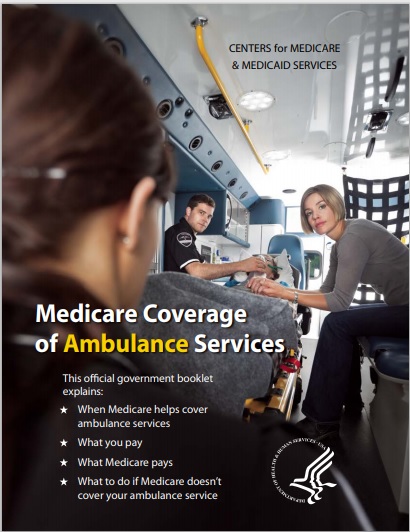
Medicare Coverage – #Ambulance # 11021
Resources & Links
- forbes.com/insurance-for-ambulance-rides/
- New California Law Offers Fresh Protection From Steep Ambulance Bills KFF.org – no balance billing – out of network
FAQ’s
- Question: Non-emergency ambulance transportation
. - Answer You may be able to get non-emergency ambulance transportation if you need it to treat or diagnose your health condition and the use of any other transportation method could endanger your health — Get the details on page 6 of the above publication, even MORE details Medicare Benefit Policy Manual Chapter 10 – Ambulance Services