

How is cancer covered under ACA Obamacare, Medi Cal, Denti Cal, Medicare, Dental Plans???
“Select your type of coverage:”
Already Diagnosed with Cancer? Start Here.
If you or a family member has already been diagnosed, your focus should be on
getting the right care and controlling your out-of-pocket costs.
✔ Step 1: Know Your Coverage
- Are you on Medicare, Covered California, an employer plan, or Medi-Cal?
- Each type of coverage pays differently for cancer treatment
- Your costs depend on deductibles, networks, and max out-of-pocket limits
✔ Step 2: Estimate Your Real Costs
- Hospital stays, chemotherapy, radiation, and specialists add up quickly
- Even with insurance, many people pay thousands per year
- The most important number: your maximum out-of-pocket
✔ Step 3: Look for Ways to Reduce Costs
- Medi-Cal may help cover costs depending on income
- High medical expenses can reduce or eliminate Medi-Cal Share of Cost
- Medicare Supplement (Medigap) plans can reduce major gaps
- Cancer treatment drugs are often one of the biggest cost drivers
👉 Need help figuring this out quickly?
You don’t have to figure this out alone — a quick review can often uncover ways to
reduce your costs or improve your coverage.
Step 3: Look for Ways to Reduce Costs
- Medi-Cal may help cover costs depending on your income and eligibility category
- Some people with income too high for free Medi-Cal may still qualify with a monthly Share of Cost
- In certain situations, recurring premiums or medical expenses may reduce that Share of Cost
- Medicare Supplement (Medigap) plans can also reduce major gaps for Medicare beneficiaries
- Cancer treatment drugs are often one of the biggest cost drivers
How is Cancer Covered #under Covered CA and ACA/Obamacare
Core Coverage Benefits
- Preventive Screenings: Routine screenings like mammograms, Pap tests, and colorectal cancer screenings are provided at no out-of-pocket cost ($0 copay) when using in-network providers.
- Treatment Services: Plans cover standard medical treatments including chemotherapy (both IV and oral), radiation therapy, surgery, immunotherapy, and hospital stays.
- Diagnostic Care: This includes necessary biopsies, lab work, and imaging such as CT scans, MRIs, and PET scans.
- Clinical Trials: Plans must cover the routine costs associated with participating in approved clinical trials. [2, 6, 7, 8, 9]
Cost-Sharing and Metal Tiers [10]
- Platinum & Gold: Highest monthly premiums but lowest costs when you receive care. These plans often have no deductible.
- Silver: Moderate premiums and costs. These are the only plans eligible for “cost-sharing reductions” if your income qualifies.
- Bronze: Lowest monthly premiums but highest costs for treatment. You will likely pay more out-of-pocket for chemotherapy or surgery until you reach your annual out-of-pocket maximum. [12, 13, 14, 15, 16]
Important Network Considerations
- Provider Networks: Before choosing a plan, use the Shop and Compare tool to verify that your preferred oncologists and cancer centers (like City of Hope or UCLA Health) are “in-network”.
- HMO vs. PPO: HMO plans generally require referrals from a primary care doctor and limit you to a specific network. PPO plans offer more flexibility to see specialists or get second opinions outside the immediate network, though often at a higher cost.
- Out-of-Pocket Maximum: For 2024, the maximum any individual will pay for in-network covered services is $9,450 ($18,900 for a family). Once this limit is hit, the insurance pays 100% of covered costs for the rest of the year. [17, 18, 19, 20, 21]
Additional Assistance Programs
- Medi-Cal: If your income is below 138% of the Federal Poverty Level, you may qualify for Medi-Cal, which offers very low or no-cost cancer treatment.
- BCCTP: The Breast and Cervical Cancer Treatment Program (BCCTP) provides specialized Medi-Cal coverage specifically for those diagnosed with these cancers who meet certain income requirements. [14, 22, 23]
Medi Cal Cancer #Coverage
Core Coverage Benefits
- Screening and Early Detection: Includes Pap tests, mammograms, colonoscopies, and lung cancer checks.
- Active Treatment: Full coverage for radiation, chemotherapy (IV and oral), surgery, and hospital stays.
- Specialized Diagnostics: Advanced testing like CT scans, MRIs, PET scans, and biomarker testing for advanced metastatic cancers (Stage 3 or 4).
- Additional Rights: Members are entitled to second opinions to ensure the correct therapy course and may participate in experimental treatments and clinical trials. [1, 4, 5, 6, 7]
Specialized Programs
- Breast and Cervical Cancer Treatment Program (BCCTP): Provides treatment for eligible low-income individuals diagnosed with breast or cervical cancer who need treatment.
- California Children’s Services (CCS): Provides diagnostic and treatment services for children under 21 with eligible medical conditions, including most cancers.
- California Cancer Care Equity Act: Allows members with complex cancers to request a referral to an in-network National Cancer Institute (NCI)-designated cancer center or academic center for specialized care. [10, 11, 12, 13, 14]
Accessing Care
- Managed Care Referrals: For those in a managed care plan, doctors can provide referrals to oncologists and specialists.
- Support for Appeals: If you believe you are not receiving necessary care, the Health Consumer Alliance offers free assistance and advocacy for Medi-Cal members. [1, 13, 15, 16]
What ACA/Obamacare plan – Metal Level has the “best” most diverse Comprehensive coverage For #breast cancer care
- Cancer costs for Americans with private health insurance rose after the ACA rollout and fell for those with Medicaid – Medi Cal Read more>>>> The Conversation.com
- ACA/Obamacare pretty much made the coverage for all plans and all companies, exactly the same. It’s a function of Metal Levels, Platinum, Gold, Silver & Bronze. Silver 73, 87 & 94 are only available if your income is low. Get a quote to see.
- There are 10 essential benefits under ACA/Obamacare. Namely:
- (H?) Cancer and other life threatening disease – clinical trials
- CA Essential Benefits
- Prescription Rx Formularies All Companies
- Options are few for poor cancer patients Many under Medi-Cal cannot get the best of care, even when it’s a matter of life or death.
- Chemotherapy medications for breast cancer include:
- Abraxane (chemical name: albumin-bound or nab-paclitaxel)
Adriamycin (chemical name: doxorubicin)
carboplatin (brand name: Paraplatin)
Cytoxan (chemical name: cyclophosphamide)
daunorubicin (brand names: Cerubidine, DaunoXome)
Doxil (chemical name: doxorubicin)
Ellence (chemical name: epirubicin)
fluorouracil (also called 5-fluorouracil or 5-FU; brand name: Adrucil)
Gemzar (chemical name: gemcitabine)
Halaven (chemical name: eribulin)
Ixempra (chemical name: ixabepilone)
methotrexate (brand names: Amethopterin, Mexate, Folex)
Mitomycin (chemical name: mutamycin)
mitoxantrone (brand name: Novantrone)
Navelbine (chemical name: vinorelbine)
Taxol (chemical name: paclitaxel)
Taxotere (chemical name: docetaxel)
thiotepa (brand name: Thioplex)
vincristine (brand names: Oncovin, Vincasar PES, Vincrex)
Xeloda (chemical name: capecitabine)
- Abraxane (chemical name: albumin-bound or nab-paclitaxel)
- Check out these comparisons of major claims by metal level.
- Should I buy extra Insurance for Cancer?
Estimate Your Cancer Treatment Cost Exposure
This quick estimator is not a quote or benefits determination. It is a simple planning tool to help you see where your costs may come from under Medicare, Covered California, employer group coverage, or Medi-Cal.
Your Estimate
Fill in the information and click Estimate My Costs.
Important Notes
- This is a rough planning estimate only.
- Actual costs depend on your exact plan, provider network, drug tier, authorizations, and where treatment is given.
- Expensive cancer drugs can be one of the biggest drivers of out-of-pocket costs.
- Medi-Cal eligibility or Share of Cost rules may reduce your actual exposure in some cases.


Medicare Coverage #for Cancer
Screening and Prevention
- Mammograms: Once every 12 months for women aged 40+.
- Colonoscopies: Every 24 months for high-risk patients, or every 10 years for others.
- Prostate Screening: Annual PSA blood tests for men over 50.
- Lung Cancer Screening: Annual low-dose CT scans for certain current or former smokers aged 50–77.
- Cervical Cancer: Pap tests and pelvic exams every 24 months (or 12 months for high-risk individuals). [5, 7]
Treatment Coverage by Medicare Part
| Medicare Part [2, 3, 5, 8, 9, 10, 11, 12, 13, 14] | What is Covered | Typical Costs (2025/2026) |
|---|---|---|
| Part A (Inpatient) | Hospital stays, inpatient surgeries, and hospice care. | $1,736 deductible per benefit period; $0 coinsurance for days 1–60. |
| Part B (Outpatient) | Chemotherapy (IV), radiation, doctor visits, and diagnostic tests (MRI, CT scans). | 20% coinsurance after meeting the $257 (2025) or $283 (2026) annual deductible. |
| Part D (Prescription) | Oral chemotherapy drugs taken at home, anti-nausea meds, and pain relief. | Costs vary by plan. Starting in 2026, there is a $2,000–$2,100 annual out-of-pocket cap for drugs. |
Types of Medicare Plans
- Original Medicare (A & B): Offers freedom to see any provider that accepts Medicare, but has no limit on annual out-of-pocket costs.
- Medicare Advantage (Part C): Private plans that bundle Parts A, B, and usually D. These plans must provide at least the same coverage as Original Medicare and include an annual out-of-pocket maximum. They may require prior authorization for treatments.
- Medigap (Supplemental): Private policies that help pay for the 20% coinsurance and deductibles left by Original Medicare. [1, 2, 5, 15, 16, 17]
Key Considerations
- Second Opinions: Medicare Part B covers the cost of second opinions before a surgery.
- Non-Covered Costs: Long-term custodial care (help with eating/bathing), over-the-counter meds, and cosmetic wigs are generally not covered.
- Assistance Programs: If costs are a concern, programs like Extra Help can assist with Part D costs, or Medicaid for those who qualify based on income. [2, 5, 11, 15, 18, 19, 20]
Medicare Coverage of #Cancer Treatment Publication # 11931
- Our FAQ Cancer Experimental Rx
- 15 Cancer Symptoms WebMd.com *
- Some early forms of breast cancer may not need treatment Study says Time.com *
More FAQ’s
More FAQ and Information on Cancer
- New 1-day surgery removes cancer and reconstructs the breast in the same operation ABC News 10.2025 *
- Chemotherapy covered under Part B and not Part D Forbes *
- Cancer patients could save over $7,000 with $2k Cap
- Your rights after a Mastectomy DOL.org *
- Revolutionizing Cancer Care Kaiser Permanante.org *
- Cancer Care Kaiser Permanante.org *
- Prior authorizations mess up cancer care ajmc *
- FAQ on cancer coverage in ACA/Obamacare plans
- Kaiser Health News – Cancer & Medical Debt
- Cancer is top health care premium increaser – Prevention is the best thing to do Kaiser Permanente.org *
- Upcoming Medi Cal Restrictions Could Trigger 1M Missed Cancer Screenings KFF.org January 2026
- HHS finalizes cervical cancer screening coverage rules for insurers Beckers payer.com January 2026
- Update to the Women’s Preventive Services Guidelines Federal Register.gov
- Our webpage on Medical Necessity
- ESMO Clinical Practice Guideline for the diagnosis, staging and treatment of patients with metastatic breast cancer
- Chemotherapy (Medicare.Gov)
- Mammograms
- Comparison of Treatment Costs for Breast Cancer, by Tumor Stage and Type of Service
- Top California hospitals lead the state in breast cancer treatment and are recognized for advancements in care
- Double mastectomy shows no survival benefit for most breast cancer patients, study says
- Your Rights After A Mastectomy
- Cancer Care.org
- How Cancer Treatment Is Improving for People Living in Rural Areas Healthline.com 5.19.2022
- Medicare Dental Care
- Why Are So Many Young People Getting Cancer? It’s Complicated Time.com
- Mental Health Toll cancer takes Kaiser Permanante.org
- How to support an employee with cancer Kaiser Permanente.org *
- Normalizing cancer conversations in the workplace Kaiser Permante.org *
- Professor Longo’s New Book: “Fasting Cancer”
Part B & D Rx Coverage for Cancer
- Medicare covers chemotherapy if you have cancer.
- Medicare Part A (Hospital Insurance) covers it if you’re a hospital inpatient.
- Medicare Part B (Medical Insurance) covers it if you’re a hospital outpatient or get services in a doctor’s office or freestanding clinic.
- Your costs in Original Medicare
- If you get Part-B covered chemotherapy in a hospital outpatient setting, you pay a copayment.
- For chemotherapy given in a doctor’s office or freestanding clinic, you pay 20% of the Medicare-approved amount after you meet the Part B deductible. Learn More >>> Medicare.Gov
- MEDICARE DRUG COVERAGE UNDER PART A, PART B, AND PART D
- Medicare Part B (Medical Insurance) covers a limited number of outpatient prescription drugs under certain conditions.
Usually, Part B covers drugs you wouldn’t typically give to yourself, like those you get at a doctor’s office or in a hospital outpatient setting.
Here are some examples of Part B-covered drugs: Learn More>>>Medicare.Gov
- ncoa.org/ what-does-medicare-cover-for-cancer/
- Medicare Part B (Medical Insurance) covers a limited number of outpatient prescription drugs under certain conditions.
- medical news today.com/chemotherapy#coverage
- Intravenous immunoglobulin (IVIg) treatment can help you fight off infections if you have a weakened immune system or other diseases.
- Part D Rx Prescriptions
All our Health plans are Guaranteed Issue with No Pre X Clause
Instant Quote & Subsidy #Calculation
There is No charge for our complementary services, we are paid by the Insurance Company.
- Our Quote Engine Takes all the complexity out of using pencil and paper to figure out the premiums per the Obamacare/ACA rules under CFR §1.36B-3 *
- We are authorized Brokers for Dental, Vision & Covered CA get instant quotes direct and in Covered CA with subsidy calculation for:
- Watch our 10 minute VIDEO that explains everything about getting a quote

ACA Coverage – Misc.
FAQ’s
- How would gum cancer be treated? Do you need dental coverage or health coverage?
Our Other Webpages, Resources & Links on Cancer
- Shop Medicare Rx Plans & Part B Cancer
- Cervical cancer treatment
- Cancer screening tests
- Cancer clinical trials
- Prostate cancer treatment
- Cancer and other life threatening disease – clinical trials
- Medical Necessity — Clinical Guidelines
- Colorectal Cancer Screening (CG024) English PDF
- USA Today – Health insurer delayed her MRI. Meanwhile, the cancer that would kill her was growing. Delays in health care are not unusual. Insurance companies control access to tests and procedures through a process known as prior authorization.
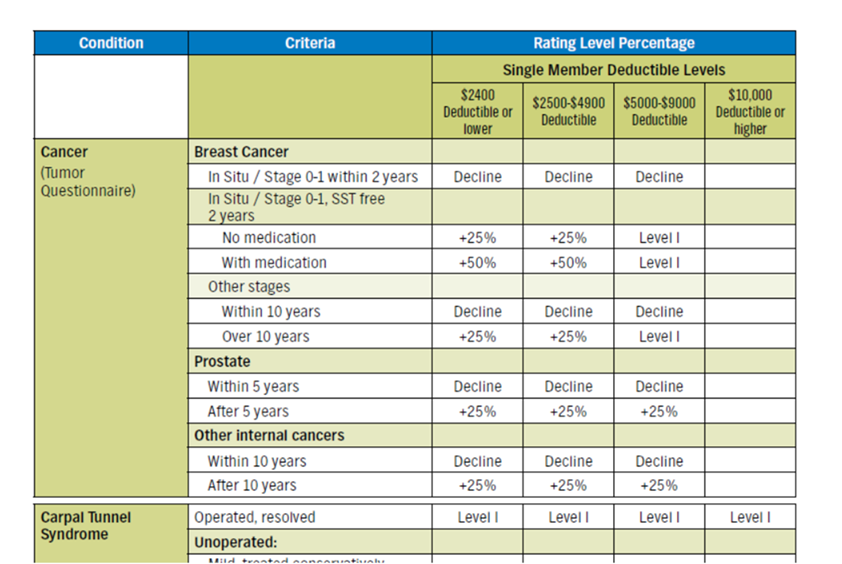
- Life Insurance – Rated Policies
- Cancer Patients Endure Debt on Top of Disease
- After a cancer diagnosis, how do you tell your kids, relatives, friends and coworkers?
https://chatgpt.com/c/69e9d5c6-24a0-8397-b728-e2138ce686a3
https://kffhealthnews.org/health-care-costs/cancer-survival-costs-testing-treatment-premiums-deductibles-trump/
https://medicalxpress.com/news/2026-02-reveals-urgent-dental-coverage-reform.html#google_vignette