SSDI Disability Benefits
Explained in Plain English
- Social Security Disability Insurance, usually called SSDI, is not the same thing as SSI. SSDI is generally based on your work history and Social Security taxes.
- SSI is generally based on low income and limited resources. Many people are confused because both programs can involve disability, both are handled by Social Security, and some people may qualify for both.
- Social Security explains that SSDI is for people who worked in jobs covered by Social Security and have a medical condition that meets Social Security’s disability rules.
- SSA SSDI eligibility
- SSA.Gov Disability Benefits Publication 10029
- Fact Sheet: Social Security Disability Insurance (SSDI) Publication 11001
- If you are really looking for the low-income disability program,
- see our page on SSI Supplemental Security Income.
- If you are trying to understand disability programs generally, you may also want to start with our
- Aged and Disabled eligibility section.
- Also check SDI State Disability Coverage. Pays up to 1 year. Funded by Payroll taxes.
- Private coverage you can purchase BEFORE you get disabled.
Quick Difference: SSDI vs. SSI
| Question | SSDI | SSI |
|---|---|---|
| What is it based on? | Work history and Social Security taxes | Low income and limited resources |
| Can it lead to Medicare? | Usually yes, after 24 months of SSDI benefits | Usually connected more with Medicaid/Medi-Cal |
| Can someone get both? | Yes, if SSDI is low enough |
Yes, if income/resource rules are met |
- Why SSDI Matters for Health Insurance
- SSDI is not just an income question. It can also affect health coverage. A person approved for SSDI is generally eligible for Medicare after receiving disability benefits for 24 months. Social Security says Medicare entitlement begins after 24 months of SSDI benefits, with exceptions such as ALS where Medicare may start sooner.
- This is where the insurance questions can get complicated. Someone may need to coordinate SSDI with
- Medicare,
- Medi-Cal,
- Covered California,
- dual coverage, or even a
- Medi-Cal Share of Cost.
- Common SSDI Questions
- Can I get SSDI if I have not worked enough?
- Maybe not. SSDI usually requires enough recent work history. Social Security says many adults generally need to have worked about 5 of the last 10 years, although younger workers may qualify with less work history. SSA: Who can get Disability
- Can I get SSI instead?
- Possibly. SSI is different from SSDI because SSI is based on financial need, not your past work record. See our
- SSI page for more detail.
- Possibly. SSI is different from SSDI because SSI is based on financial need, not your past work record. See our
- Can I work while receiving SSDI?
- Sometimes. Social Security has special work rules, including trial work periods. Be careful, because working while receiving benefits can create overpayment problems if not handled correctly. SSA work rules for disability
- What happens when I become eligible for Medicare?
- You may need help reviewing Medicare Advantage, Part D prescription coverage, Medigap, and whether Medi-Cal may help with Medicare costs. Start with our
- Related Disability and Medi-Cal Topics
- Disability benefits can overlap with several other important eligibility rules. You may also want to review:
Need Help Understanding the Insurance Side?
I do not file SSDI claims or act as a disability attorney. My role is helping you understand how disability income and eligibility may affect Medicare, Medi-Cal, Covered California, dual coverage, and supplemental insurance choices.
Email Steve:
[email protected]
- Bottom Line
- SSDI is usually about work history and disability.
- SSI is usually about low income and limited resources.
- Medicare, Medi-Cal, Covered California, and dual coverage can all enter the picture depending on your situation.
- The best next step is to identify which program you are really dealing with, then review how it affects your health insurance choices.
- Additional Resources
- disability secrets.com/ ssdi benefits calculator
- SSDI on Parents work record Special Needs Answer.com
- Social Security Disability Benefits for a Disabled Adult Child All Law.com
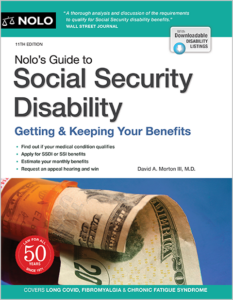
- Nolo’s Guide to Social Security Disability
- DI 11005.023 Completing the SSA-3368-BK (Disability Report – Adult)


SSDI #Appeal Form#1005b
- Our Webpage on Appeals in General
- ONLINE Disability Appeal
- SSA 561 Request for reconsideration
- Guide to writing letters
- Navigating the System: Social Security Disability Insurance (SSDI) and Supplemental Security Income (SSI)
- Authorization to disclose Information SSA 827
- Request for Reconsideration SSA 561 U 2
- Your Right To Representation 05-10075, . Audio
- What You Need To Know When You Get Retirement Or Survivors Benefits 05-10077, Audio
- What You Need To Know When You Get Social Security Disability Benefits 05-10153, AUDIO
- Fact Sheet: Social Security Disability Insurance (SSDI) 05-11001,
- Are You Eligible for Supplemental Security Income (SSI)? 05-11003,
- What You Need To Know When You Get Supplemental Security Income (SSI) 05-11011,
- You May Be Able to Get Supplemental Security Income (SSI) 05-11069,
- SSI In California 05-11125, January 2023
- Understanding Supplemental Security Income 17-008,
- Red Book 64-030,
- A guide to work incentives and employment supports for people who have a disability under the Social Security Disability Insurance (SSDI) and Supplemental Security Income (SSI) programs
- Blue Book 64-039,
- Your Guide to Social Security Disability Video Hearings 70-067,
- Your Right To An Administrative Law Judge Hearing And Appeals Council Review Of Your Social Security Case 70-10281,
-
Online Video Hearings at the Social Security Administration 70-10284,
- Representing a Client with Mental Illness A South Dakota Defense Attorney’s Guide
- 18 Tips to Successfully Advocate for Clients with Mental Illness
- More publications @ https://www.ssa.gov/pubs/
DI 10115.000
Childhood Disability Benefits (CDB)
| Section | |
|---|---|
| DI 10115.001 | Requirements for Entitlement to Childhood Disability Benefits (CDB) |
| DI 10115.005 | Eligibility for Child’s Benefits Based on Disability |
| DI 10115.010 | Other Childhood Disability Benefits (CDB) Factors of Entitlement |
| DI 10115.015 | Hospital Insurance (HI) Based on Childhood Disability Benefit (CDB) Entitlement |
| DI 10115.020 | Application Forms for Childhood Disability Benefit (CDB) |
| DI 10115.022 | Work Activity and Childhood Disability Benefit (CDB) Entitlement |
| DI 10115.025 | Childhood Disability Benefit (CDB) First Month of Entitlement (MOET) |
| DI 10115.030 | Retroactivity and Childhood Disability Benefit (CDB) |
| DI 10115.035 | Requirements for Reentitlement |
| DI 10115.040 | Childhood Disability Benefit (CDB) Reentitlement & Trial Work Period (TWP) Issues |
| DI 10115.045 | Summary of Evidence and Forms Required for Reentitlement Based on a Disability Which Began After Age 18 |
| DI 10115.050 | Termination of Childhood Disability Benefit (CDB) Entitlement |
#Social Security Disability
Factors in Evaluating
Parents & Care Givers
Check out our webpage on getting your own private disability coverage, in addition to Social Security Disability or SDI State Disability Coverage
- Disability Income – Pay Check Protection
- SSI – Supplemental Security Benefits – Automatic Medi Cal – SSDI
FAQ’s
- Deafness?
- Mental Health – ACA/Health Reform Mandated Essential Benefit
- nolo.com/guide-to-social-security-disability

- c:/medi-gap/Social Security/disability