Insurance coverage to lower cost of Dental Implants
Get Instant Quotes
Dental Implant Insurance:
What’s Covered and What’s Not
Start here to compare dental insurance plans that may help reduce your implant costs:
Compare Dental Insurance Plans
No obligation. Takes just a few minutes.
👉QUICK answer: Most insurance does not fully cover dental implants. However, there are ways to reduce your out-of-pocket costs, and some plans may help with parts of the treatment.
We help you find insurance plans that can lower your implant costs — we do not perform dental procedures.
Independent licensed insurance agent. We compare multiple plans and options.
| Schedule a Zoom with Steve | Compare Dental Insurance Plans | Email Steve |
Do Insurance Plans Cover Dental Implants?
- Medi-Cal / Denti-Cal: Usually no coverage for dental implants.
- Original Medicare: Generally no coverage for routine dental care or implants.
- Dental PPO insurance: Some plans may help with certain major services, sometimes after waiting periods.
- Medicare Advantage plans: Some plans may include a dental allowance or extra dental benefits that can help with certain costs.
Bottom line: There usually is no “free implant coverage,” but the right dental plan, Medicare Advantage plan, or discount arrangement may help reduce your overall cost.
Best Next Steps
- Compare individual dental insurance plans
- See how dental works with Medicare
- Learn how dental may help lower Medi-Cal Share of Cost
- See individual and family health insurance options
How to Reduce the Cost of Dental Implants
Even when a plan does not fully cover implants, there may still be ways to reduce your costs.
1. Dental PPO Insurance Plans
Some dental PPO plans may provide benefits for parts of major dental work, subject to plan terms, waiting periods, deductibles, annual maximums, and provider networks.
Compare Dental PPO Plans Quotit
2. No-Wait Dental Plans
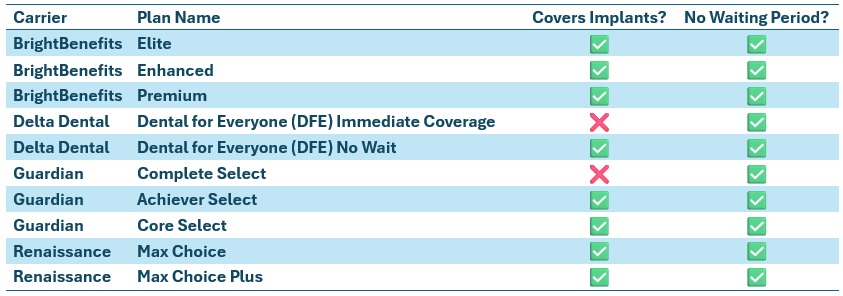
Some plans offer immediate benefits for certain covered services. Even when implants themselves are limited or excluded, related services may still be worth comparing. Scroll this webpage
See Dental Plans and Benefits Quotit
3. Medicare Advantage Dental Benefits
Some Medicare Advantage plans include preventive and comprehensive dental benefits, and some may offer allowances or supplemental benefits that can help offset certain dental expenses.
See Dental Options Under Medicare
4. Dental Discount Plans
Discount plans are not insurance, but they may help reduce negotiated costs through participating dental providers. Scroll this webpage
Important Reality Check
Many people searching for “dental implant insurance” hope to find a plan that pays the full cost of implants. In most cases, that is not how dental coverage works.
- Implants are often excluded or only partially covered
- Annual maximums may be much lower than the total implant cost
- Waiting periods may apply
- Network rules can affect what you pay
That is why it is important to compare plans carefully and look at the real net cost, not just the premium.
What Insurance Usually Does Not Cover
- Full reimbursement for dental implants
- Cosmetic upgrades
- Unlimited major dental benefits
Insurance companies have to balance premiums, claims, annual maximums, and benefit design. So even when implants are mentioned, coverage may be more limited than people expect.
Alternatives to Dental Implants
Depending on your dental and financial situation, you may also want to ask your dental provider about alternatives such as:
- Dentures
- Bridges
- Other restorative options
- Scroll this webpage for more information
Some of these alternatives may have better coverage under certain dental plans.
We Are Not a Dental Office
We do not perform dental implants or provide dental treatment. We help people compare insurance and related coverage options that may help lower their costs.
Get Help Finding the Right Plan
If you are trying to reduce dental implant costs, the best next step is usually to compare dental insurance options, review Medicare Advantage dental benefits if you are Medicare-eligible, and look at plans side by side.
| Compare Dental Insurance Plans | Schedule a Zoom with Steve | Email Steve |
Frequently Asked Questions
- Does Medi-Cal cover dental implants?
- Usually no. Medi-Cal / Denti-Cal generally does not provide broad implant coverage in the way many people hope for.
- Does Medicare cover dental implants?
- Original Medicare generally does not cover routine dental care or dental implants.
- Can dental insurance still help with implant costs?
- Sometimes yes. Depending on the plan, it may help with related services or portions of major dental treatment, subject to plan limits.
- Are there plans with no waiting period?
- Some dental plans offer immediate coverage for certain services, although that does not necessarily mean full implant coverage.
- Should I look at Medicare Advantage for dental help?
- If you are eligible for Medicare, it can be worth reviewing Medicare Advantage plans that include dental benefits.
Related Dental Insurance Pages
- Compare Dental Insurance Plans on our main dental webpage
- Dental and Vision Under Medicare
- Dental to Lower Medi-Cal Share of Cost
- Individual and Family Health Insurance
- Our main Dental Insurance Webpage
Still Have Questions?
- You can email me directly at [email protected],
- compare plans online, or
- schedule a Zoom meeting.
| Compare Dental Insurance Plans | Schedule a Zoom with Steve | Email Steve |
Dental For #Everyone,
has an excellent website with full brochures, Instant online quoting and enrollment

- Dental for Everyone includes quotes from
- Careington Discount Plan
- Bright Benefits
- Renaissance Dental
- Delta Dental
- AmFirst - but not the special one for share of cost with premium to $425
- One of our colleagues on how Dental for Everyone Works.
- Some of our webpages on dental
- VSP Vision

BRAND NEW for 2026
Implant coverage for Medi Cal – Medicare Medicare Advantage with SCAN.
Email us [email protected] for Details and Qualifications!

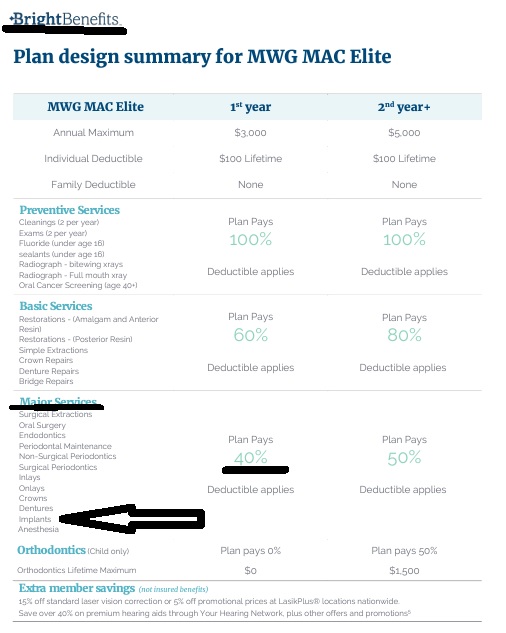

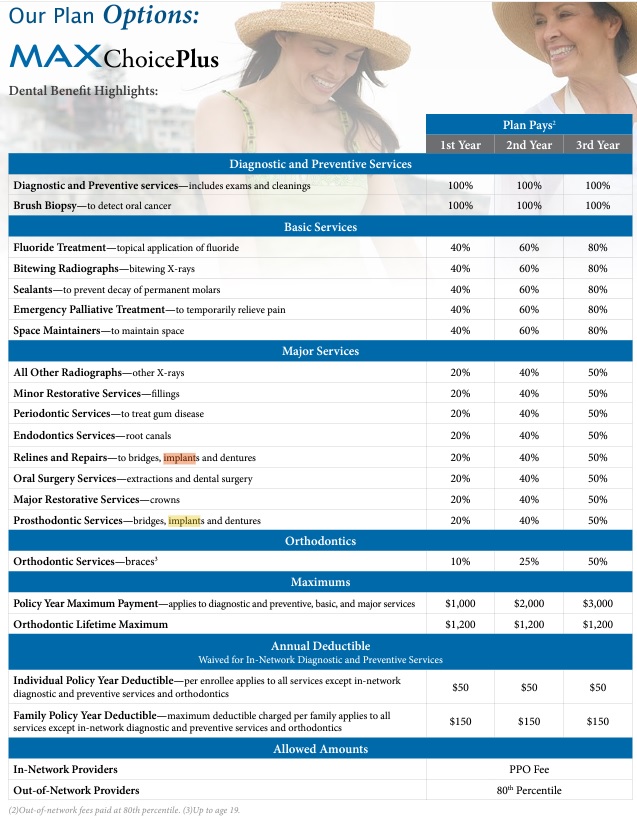
Implant Explanations
- Sorry to say but here is generally No coverage for implants.
- Medi – Cal generally does not cover implants.
- Nor does Medicare.
- Check out alternatives to Implants Like Dentures.
- However, check out Dental for Everyone and Quotit they have plans that will cover implants! Remember though, there is no free lunch. Insurance Companies have to take in more money in premiums than the pay in claims… MLR Medical Loss Ratio and all.
. - Check out Medicare Advantages plans – some may offer $400/quarter that rolls over quarterly, but not annually and may also offer “essential extra’s” like a $500 flex card
- Blue Cross Dual Medi Medi Medicare Advantage Plan offers a $4k allowance for implants See page 82 of the EOC Evidence of Coverage.
- See our webpage on Anthem Blue Cross Medicare Advantage Plans
- Dental Benefits in Medicare [Advantage] and Medi-Cal Fact Sheet DCHS.CA.Gov
- Blue Cross Dual Medi Medi Medicare Advantage Plan offers a $4k allowance for implants See page 82 of the EOC Evidence of Coverage.
- Dentists Are Pulling ‘Healthy’ and Treatable Teeth To Profit From Implants, Experts Warn CA Health Line 11/2024
- Researchers in Japan Discover Medicine Capable of Regrowing Third Set of Teeth for Humans Dentistry Today 4/2025
- How to Get Dental Implants Covered by Medical Insurance Peak Dental.com
#Delta Dental Direct


Delta Dental - Get Quotes & Enroll Affiliate Link
Be sure to put in our AGENT # 2094784
Delta Dental – Covered CA Plans
-
-
- Much more detail on Delta Dental our webpage
- Dental to lower Share of Cost Medi Cal our webpage
-
What are Dental #Implants?
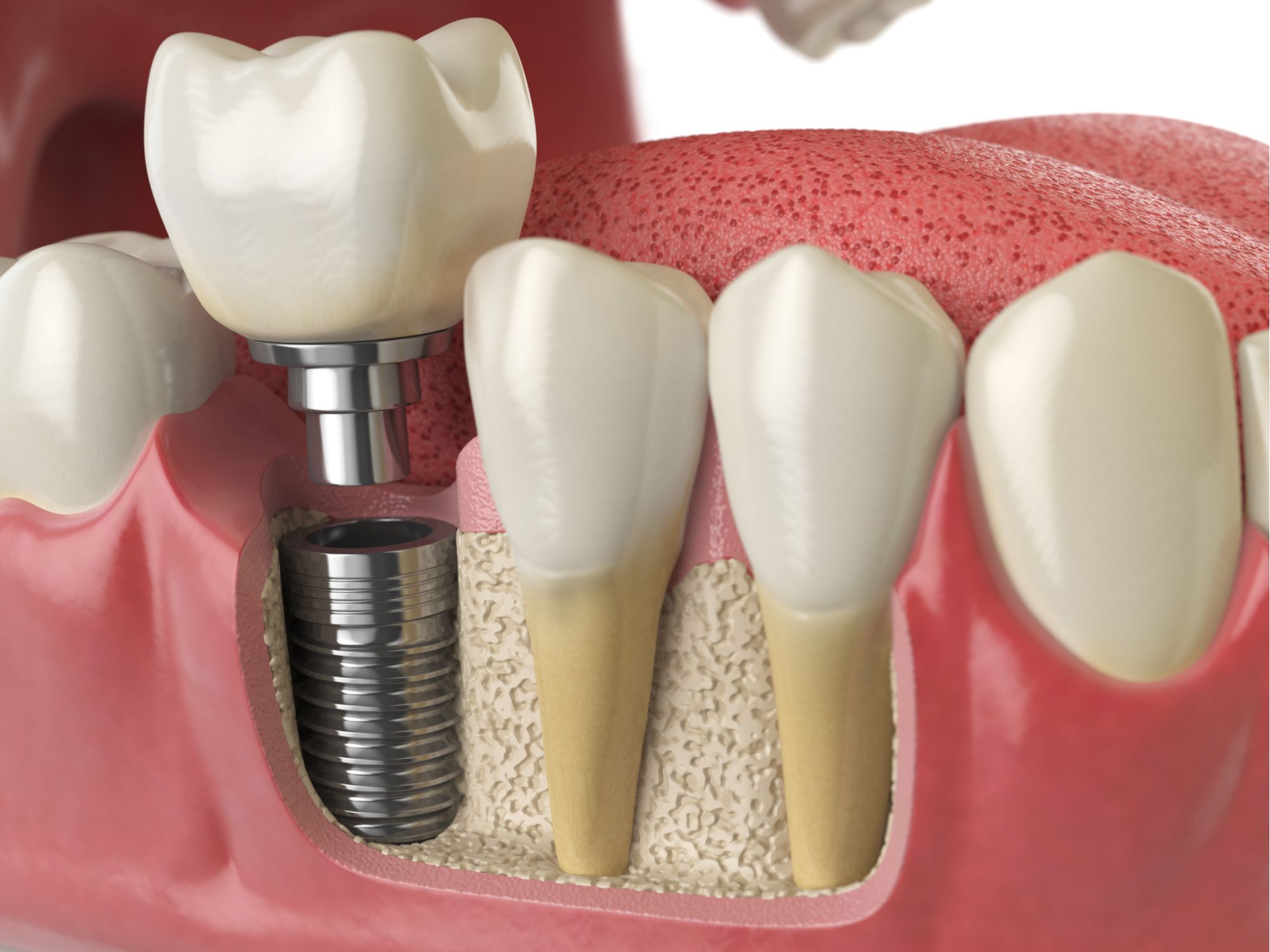
Dental implants (ADA Codes) may be thought of as artificial tooth roots which allow the fabricated teeth to be firmly attached to the mouth. One may consider the jaw bone as a piece of wood and a dental implant as a screw
Learn more from REAL Dentists:
- American Academy of Implant Dentistry
- VIDEO – Dr. Kuzma
- southland dental care.com/the-myth-are-dental-implants-really-necessary
- dr palani.com/video-library
- Dental implant surgery is a procedure that replaces tooth roots with metal, screwlike posts and replaces damaged or missing teeth with artificial teeth that look and function much like real ones. Read more Mayo Clinic
- Dental Implants: What You Should Know FDA
Write implants off your Taxes – using Health Savings Accounts
- The average cost of placing a single dental implant ranges from $1,600 to $2,200, not including the cost of a restoration. Redd Road *
- Implants may be covered under health insurance, if there is a “medical necessity” like cancer, major accident or skeletal deformity. View sample Delta policy page 40 #32.
- You can include in medical expenses the amounts you pay for dental treatment. This includes fees paid to dentists for X-rays, fillings, braces, extractions, dentures, etc. including artificial teeth (IRS Publication 502 Page 5 & 7)
- Implants are done when one doesn’t want a bridge because it more permanent and look better even in the back of the mouth and in view of this it’s considered cosmetic.
- Unfortunately, implants are not generally a covered benefit. Check out the Delta Dental No Wait Plan. Alternatives for Implants
Limitations:
The replacement of lost or stolen dentures, crown and bridge work, dental procedures and charges incurred as part of implants (placement or removal) and prosthetic devices placed on implants (fixed or removable, for example: bridges, crowns) are not covered. Smile Saver Brochure
Implants
- Answers.com
- Blue Shield Small Group Dental Plans – Dental Implant Explanation
- Alternatives for Implants
- Some questions that a patient could ask a dentist include:
Gum Disease Treatment
If you have a tooth that is loose and may be “hopeless,” it might still be saved with gum disease treatment . If the gums are receding and there has been bone loss around the tooth, that doesn’t mean that the tooth is guaranteed to be lost.
With gum disease treatment, we can clean out the infection around your tooth, and hopefully the tooth will heal. Sometimes we might splint the loose tooth or teeth to natural teeth that are stable. This can help stabilize the loose teeth and give them time to heal. Then you’ll still have your natural tooth for longer, potentially the rest of your life. This costs significantly less than a dental implant. And Pinhole ® Gum Therapy can be used to restore the natural contour of your gums.
Caveats: For a tooth that is designated “hopeless,” the success rate is lower than that for dental implants. And because we’re preserving your natural tooth, it will continue to look as it had, so if you’re unhappy with the appearance of this threatened tooth, it might not be the best choice. Plus, sometimes the infection is so serious that we want to remove teeth to better control the risk that the infection could spread to other parts of your body.
Root Canal Therapy
If your tooth is threatened by an infection inside the tooth, we can use root canal therapy to clean out the tooth and make it stable again. The tooth will be reinforced and topped with a dental crown . The success rate for root canal therapy is comparable to that for dental implants, and it has the benefit of retaining your natural tooth. Plus the dental crown means that the appearance of the tooth will be improved, too. If you later need to replace the treated tooth, you will usually be able to get a dental implant, and in the meantime, you get to enjoy the benefits of having a natural tooth rather than an implant. Cost is slightly less than for a dental implant.
Caveats: Whether a root canal is appropriate or not depends on the state of your tooth. If the tooth root is damaged, a root canal is not recommended. Sometimes an infected tooth can be a serious risk and needs to be extracted right away. Extraction is best for badly damaged or seriously infected teeth.
Dental Bridge
If you can’t save the tooth with either gum disease treatment or root canal therapy, you can often get a dental bridge that will perform the same function as a dental implant. With a dental bridge, the replacement tooth is supported by dental crowns on teeth next to the missing tooth.
Dental bridges are fully fixed in your mouth. They’re not loose and won’t slip out, so your diet won’t be impacted, and they can look as good as dental implants. Plus the dental crowns on neighboring teeth can be very helpful if they have been damaged.
Caveats: Dental bridges don’t stimulate your jawbone and gums the way a dental implant does. This may not matter, but it can potentially cause collapse of the gums under the replacement tooth. And if the supporting teeth aren’t fully healthy and strong, they may be put at risk by having a dental bridge placed over them. That’s because two teeth are now being asked to do the work of three. Because of this restriction, we only recommend dental bridges in limited situations where they don’t cause much increased risk to your natural teeth.
The Denture Fountain of Youth®, which replaces all your natural teeth. This type of denture looks natural and encourages better biting and chewing function. While not as good as implant-supported dentures, they are close. Kuzma *
Experts say 90% of patients with complete tooth loss opt for dentures. Ivy Rose *
VIDEOS
- Denture FOY Fountain of Youth VIDEO’s High End Dentures – Better than what your Parents wore
- Interviews – Testimonials VIDEO –
Learn More
Links, FAQ’s & Resources
- American Academy of Implant Dentistry – Implants vs Dentures & Bridges They have nice explanatory pictures too!
- Dental Implant Cost Guide
- Alternatives
- Health Savings Accounts?
- How are Dentures covered by Medi Cal?
- Let’s look at the Denti-Cal Handbook
- Page 8 has a graph that says Dentures are covered. Do a Control F to find more detail…
- See also Smile Care.org and dental.dhcs.ca.gov
- Bottom Line – Ask your dentist
- Medi Cal Find a Dentist
- Let’s look at the Denti-Cal Handbook
Visit our Main Webpage on Medi Cal Share of Cost & How to eliminate it

Medi Cal
FAQ’s Medi Cal & Dental #Implantsx
- “OFFICIAL” explanation from Medi Cal on how implants are covered or not?
- A Medi-Cal member is eligible for dental services provided by the Medi-Cal Dental Program. Eligibility for benefits is determined by the member’s local county social services office and reported to the State of California. The State, in turn, issues a Medi-Cal Benefits Identification Card (BIC) to members who are eligible for Medi-Cal Benefits. Limitations or restrictions of dental services may apply in certain situations.
- Medi-Cal offers a broad base of dental benefits, please refer to SmileCalifornia.org for information about Medi-Cal’s dental benefits.
- With respect to your specific question regarding full mouth implants, implant services are a benefit only when exceptional medical conditions are documented, and those conditions are reviewed by the Medi-Cal Dental Program for medical necessity (as defined by law) for prior authorization. Some of those exceptional medical conditions are:
- Furthermore, single tooth implants are not a benefit of the Medi-Cal Dental Program. If the member has an exceptional medical condition, the assigned dental and medical providers will need to get together and fully document the medical and dental needs in writing.
- Providers shall submit a complete case documentation (to include such items as radiographs, scans, operative reports, craniofacial panel reports, diagnostic casts, intraoral/extraoral photographs and tracings) necessary to demonstrate the medical necessity of the requested implant services.
- If the member has existing dentures that do not fit, there are ways to modify them (such as tissue conditioners and relining them) to aid in their retention. This is a conversation the member will need to have with their regular dentist. Modification of existing dentures and even fabrication of new dentures (a benefit once in a five-year period) are benefits of the Medi-Cal Dental Program with prior approval.
- Providers shall submit a complete case documentation (to include such items as radiographs, scans, operative reports, craniofacial panel reports, diagnostic casts, intraoral/extraoral photographs and tracings) necessary to demonstrate the medical necessity of the requested implant services.
-
Monique Garcia
Chief of Provider and Beneficiary Services Section
Medi-Cal Dental Services Division
- Denti Cal – Medi Cal Member Handbook. I
- The Denti-Cal provider handbook does mention Implants, so I guess it’s covered. I suggest you ask your dentist. Your question is beyond my pay grade! (Zero, as Medi Cal doesn’t pay agents)These are the “codes” in the provider manual that related to implants:
- justice in aging.org/
- “Single tooth implants are not a benefit of the Medi-Cal Dental Program” Some legal advocates have attempted to make compelling medically necessary arguments, and the provider manual allows for that “Implant services are a benefit only when exceptional medical conditions are documented and shall be reviewed for medical necessity.”But generally speaking not a benefit and not one we want to promote as available to Medi-Cal beneficiaries since they are so limited. they pointed out this section in the provider handbook:
- Implant Services General Policies (D6000-D6199)a) Implant services are a benefit only when exceptional medical conditions are documented and shall be reviewed by the Medi-Cal Dental Program for medical necessity for prior authorization. Exceptional medical conditions include, but are not limited to:
- i) cancer of the oral cavity requiring ablative surgery and/or radiation leading to destruction of alveolar bone, where the remaining osseous structures are unable to support conventional dental prostheses.
- ii) severe atrophy of the mandible and/or maxilla that cannot be corrected with vestibular extension procedures or osseous augmentation procedures, and the patient is unable to function with conventional prostheses.
- iii) skeletal deformities that preclude the use of conventional prostheses (such as arthrogryposis, ectodermal dysplasia, partial anaodontia and cleidocranial dysplasia).
- iv) traumatic destruction of jaw, face or head where the remaining osseous structures are unable to support conventional dental prostheses.
- b) Providers shall submit complete case documentation (such as radiographs, scans, operative reports, craniofacial panel reports, diagnostic casts, intraoral/extraoral photographs and tracings) necessary to demonstrate the medical necessity of the requested implant services.
- c) Single tooth implants are not a benefit of the Medi-Cal Dental Program.
- d) Implant removal, by report (D6100) is a benefit. Refer to the procedure for specific requirements.They also told me about this guide for dental care for older adults
- Do you have Medicare? We could look into MAPD Medicare Advantage plans that might offer implant coverage or a quarterly spending account that could be used for implants?
- Not in CA NAHU National Assoc. of Health Underwriters Agent finder, of course try your EOC evidence of coverage or the SHIP State Health Insurance Assistance Program finder
- alternatives to Implants?
- See our FAQ and comments section below for more FAQ’s or to ask a question
- What Happens When States Cut and Expand Medicaid Medi Cal Dental Benefits? Commonwealth Fund.org March 2026
#Denti Cal Beneficiary Handbook 2025
- Denti Cal Website
- 1-800-322-6384
- Find a Medi Cal dentist
- dental.dhcs.ca.gov/ /Dental Providers
- Denti-Cal provider handbook
- Los Angeles Medi-Cal (LA PHP) Dental Managed Care
- dhcs.ca.gov medi-cal-dental/
- Dental Inquiries: [email protected]
- Dental Managed Care Inquiries: [email protected]
- Medi-Cal Dental Schedule of Maximum Allowances
- #Smile California
- Health Net Denti Cal
- Oral Health for Older Adults - Justice in Aging
- Dental to lower Share of Cost Medi Cal our webpage
- Advocates Guide to Medi Cal Dental Services
- Denti Cal Handbook for Dentists
- Vision Benefits
Our other pages on
Dental Coverage
We don't put a lot of effort into selling dental coverage. Generally it's a wash on paying premiums vs getting back claims payments. Unless it's employer group. Then the premiums are tax deductible under IRS Section 106.
Here's more information on how we feel about dental. Here's our page on implants, where we get lots of inquires, but few sales. Most people only seem to want dental coverage, after they've been told they need a lot of dental work. Not profitable for Insurance Companies. See our other pages for details & explanations. See our page on Medical Loss Ratio. Insurance Companies need to take in $1 to pay 80c in claims.
Medicare Plans
- Anthem Blue Cross
- Blue Shield – Medi-Gap – Any Medicare Provider
- Health Net Medi Gap
- UnitedHealthcare Medi Gap
- Scan
Individual & Family Plans
Dental For Everyone,
has an excellent website with full brochures, Instant online quoting and enrollment
One of our colleagues on how Dental for Everyone Works..
Employer Group Plans
- Medi-Cal
FAQ’s
- dentures
. - Question I was born without my upper lateral incisors so I guess that would b considered congenital Maxillofacial deformity. It’s the tooth next to my two front teeth on both sides.
- Medically Necessary Orthodonture
. - module on implant alternatives.
-
- Don’t forget the Insurance Companies want to collect enough premiums to pay claims and take 20% for administration and profit
- alternatives to implants.
- Try calling 1 800 322 6384 also see above link to Smile CA
.
- Try calling 1 800 322 6384 also see above link to Smile CA
- Denti Cal handbook and FAQ’s above and check with your dentist.
- We are NOT Kaiser not Medi Cal authorized brokers. Please contact them Directly!
- Check with Medi Cal – see their contact information above.
- Check with Kaiser Medi Cal
Answer Check the brochures and quote engines:
- Partnership Health in CA
- Read more Fierce Health
- Here’s a youtube video we did on what metal level plan might you buy if you know you’re going to have a big claim coming up.
- Review the information on this page, the quotes available and our other dental pages.
Medi Cal Implant FAQ
.
- What about alternatives, like dentures?
.
- , neither Medi Cal nor Medicare really give you ANY coverage for implants.
- Some Medicare Advantage Plans offer dental benefits and/or allowances that can be used for implants along with Flex Cards.
- Let’s set a meeting to review.
- General Information on Medicare Advantage
information on the appeals process. Have your dentist help you.
- See our webpage on Medi Cal appeals
#Importance of Dental Coverage
Compare Dental Plans & Get Quotes
-
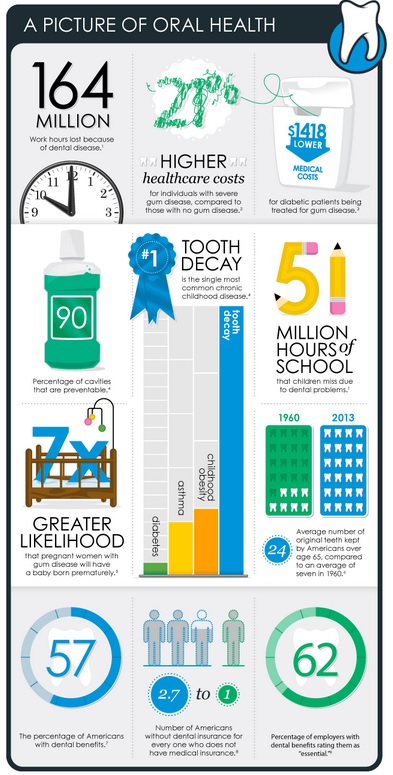
Picture of Oral Health cdc.gov
- Dental For #Everyone, Instant Quotes - Online Enrollment
-
Delta Dental - Get Quotes & Enroll
- Quotit Quotes for Dental
- Dental to lower Share of Cost Medi Cal our webpage
Medical Tourism
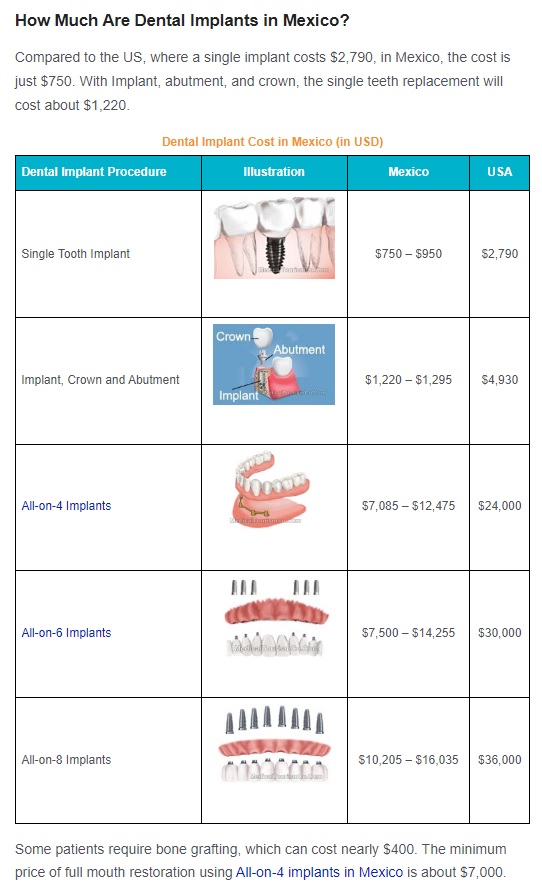
We are not advising or recommending. We just have an expansive website.
- medical tourismco.com/dental-implants-in-mexico
- npr.org/a-reason-to-smile-mexican-town-is-a-destination-for-dental-tourism
- Go Fund Me??? Cheyenne’s Journey to Dental Implants $28,685 raised of $38,000 goal • 1.2K donations
- health check box.com/
- world’s most trusted medical tourism company
Oral Health for #Seniors
Justice in Aging - Advocates Guide Updated 2025

- Denti-Cal under Medi Cal
- National Institute for Dental Research - Caregiver information
- nia.nih.gov/taking-care-your-teeth-and-mouth
- Dental Care - Medicare
- Dental to lower Share of Cost Medi Cal our webpage
FAQ’s
Medical Necessity #Orthodonture
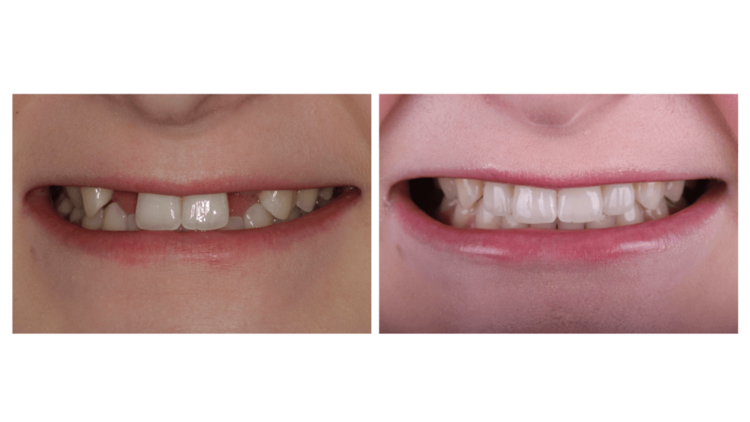
- QUESTION I was born without my upper lateral incisors so I guess that would b considered congenital Maxillofacial deformity Denti Cal – Smile CA 1-800-322-6384 Here’s the Medi Cal Ombudsmans website
- Our main webpage on Medical Necessity
- Medically necessary orthodontic treatment is orthodontic treatment that is rendered by an orthodontist or pediatric dentist to satisfy a demonstrated need for significant functional improvement of the teeth, jaws or related anatomy and is not rendered primarily for esthetic improvement.
- In order to demonstrate need for significant functional improvement, a patient must present with one or more of the following general conditions that can be definitively diagnosed (using generally accepted clinical standards) to be directly related to their malocclusion or jaw relationship:
- Severe impairment of oral function
- Chronic moderate pain or chronic severe pain that cannot be adequately managed through alternative treatments.
- Traumatic injury to the orofacial structures that requires reparative treatment with orthodontic appliances.
- Craniofacial anomaly or systemic disorder involving the dentition (see list).
- A malocclusion which, if left untreated, substantiates a prognosis of:
- o Premature loss and/or severe debilitation of an essential tooth or teeth
- o Severe debilitation of the dentition, periodontium, and/or temporomandibular joint(s).
- o A sustained or deteriorating condition that in an advanced state will no longer be treatable through orthodontic means alone and that, in an advanced state, will require more invasive or complicated treatment such as orthognathic surgery.
- Furthermore, medically necessary orthodontic treatment should be prescribed within generally accepted standards of orthodontic practice (evidence-based when possible). Read More Medically Necessary Orthodontic Treatment Med Mutual
- Missing lateral incisors in Lexington & Replacement with Wing Bridges
- Hypodontia (Missing Teeth)
- Para Regs – Medi-Cal – Scope of Benefits – General and Dental
- CLINICAL DENTISTRY GUIDELINES Liberty Dental
- Medically Necessary Orthodontic Care AAO
- https://www.dental.dhcs.ca.gov/MCD_documents/providers/ortho_packet.pdf
- Medically Necessary Orthodontic Treatment Med Mutual
- Clinical Guidelines for Implant Treatment in Patients with Down Syndrome nih.gov
- Immediate Implants: Clinical Guidelines for Esthetic Outcomes
- THE MEDI-CAL DENTAL PROGRAM ORTHODONTIC SEMINAR PACKET
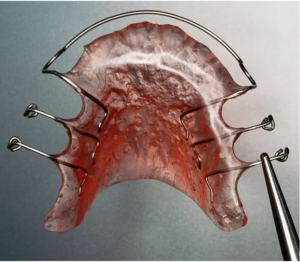
- Hawley Retainer Picture from Diamond Braces.com
- Maxillofacial Surgery Cleveland Clinic
- Denti Cal Beneficiary Handbook
Liberty Dental Plan!

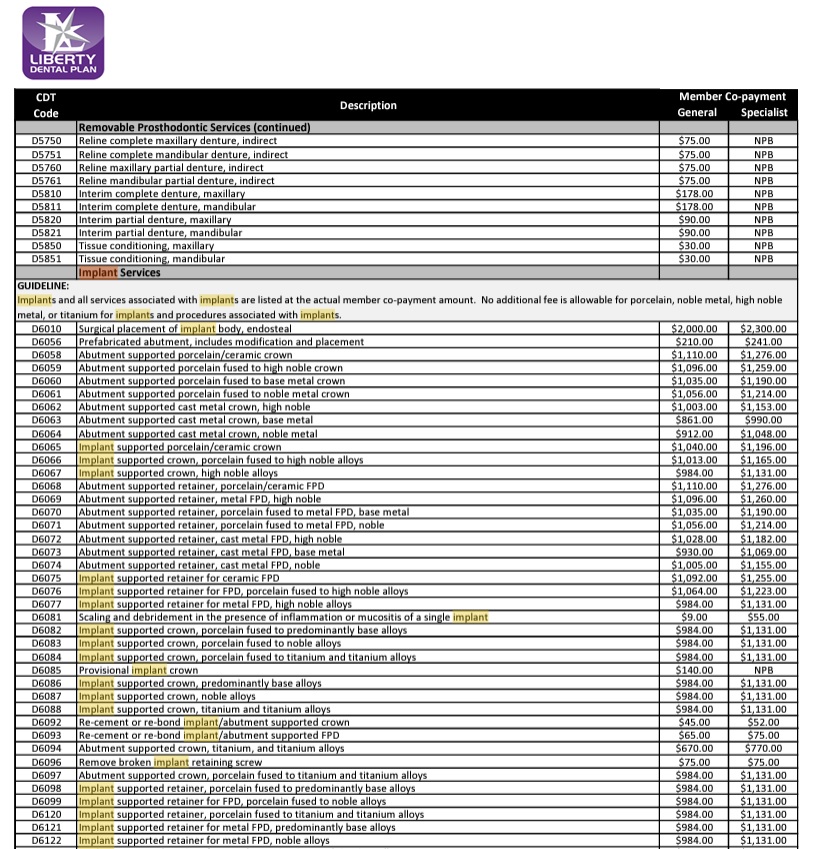
Liberty Dental DHMO (Dental HMO) plan features large group type benefits, for individuals and families.
Benefits Include:
No Annual Maximums, No Claim Forms, Coverage for Pre-Existing Conditions, No Waiting Periods, Orthodontia, Dental Implants and More.
More information
- Schedule of Benefits Copayment
- Liberty Online Provider Directory *
- Resources
- Frequently Asked Questions
- Eligibility for Benefits
- Evidence of Coverage
- Shows Exclusions & Limitations
- Terms and Conditions
- Survey of Cost Without Insurance
- Email us [email protected] to enroll
- BROKER ONLY